
Run-Flat Systems for Armored Vehicles: The Wheel, Tyre and Insert Must Match
A run-flat insert is often ordered using only the tyre size. That information is important, but it does not always define the complete fitment.
Two protected vehicles may use tyres carrying the same sidewall designation while having different wheel widths, internal rim profiles, offsets or wheel constructions. Their completed axle loads may also be different. As a result, an insert suitable for one wheel-and-tyre assembly may not be suitable for the other.
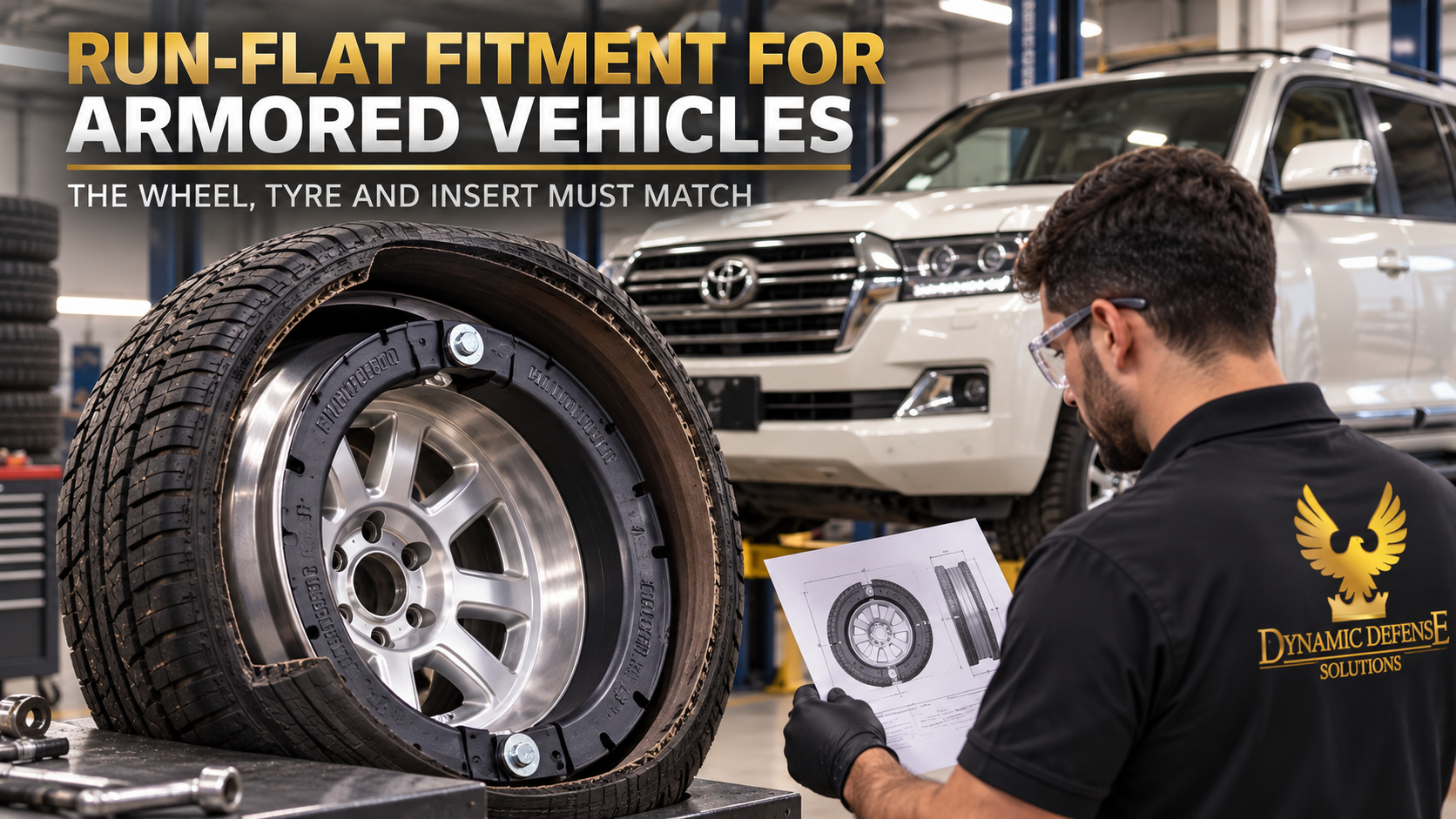
Correctly specified run-flat systems for armored vehicles must be matched to the complete assembly: vehicle, operating weight, tyre, wheel and intended zero-pressure requirement.
For manufacturers and armoring workshops, confirming these details before production is much easier than discovering an incompatibility during installation—or during a zero-pressure mobility test.
Why Run-Flat Systems for Armored Vehicles Are Not Universal
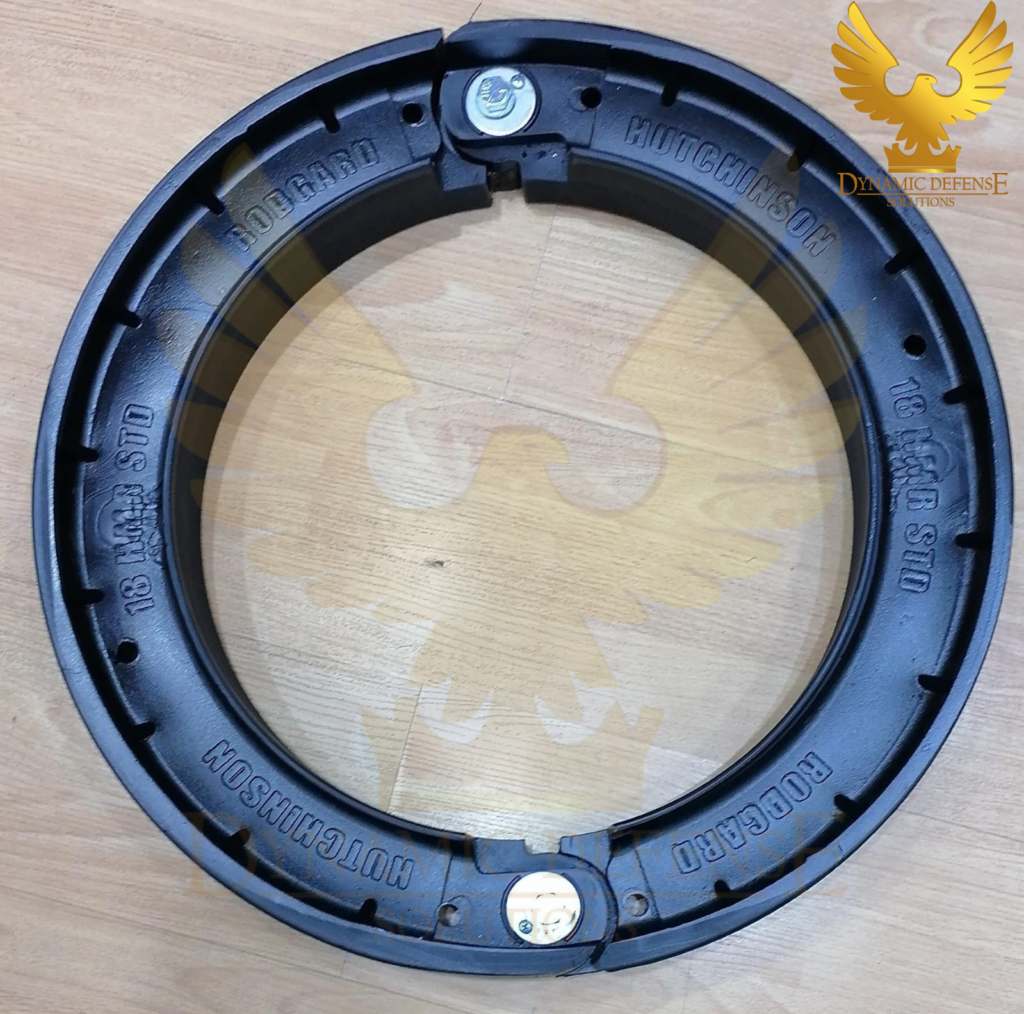
An internal run-flat insert supports a deflated tyre so the vehicle can retain limited mobility after pressure loss or tyre damage. Depending on its design, the system may also help retain the tyre bead and reduce the risk of the tyre separating from the wheel.
This is different from a self-supporting passenger-car run-flat tyre. Self-supporting tyres rely mainly on reinforced sidewalls. Internal run-flat systems use a separate support structure installed around or attached to the wheel.
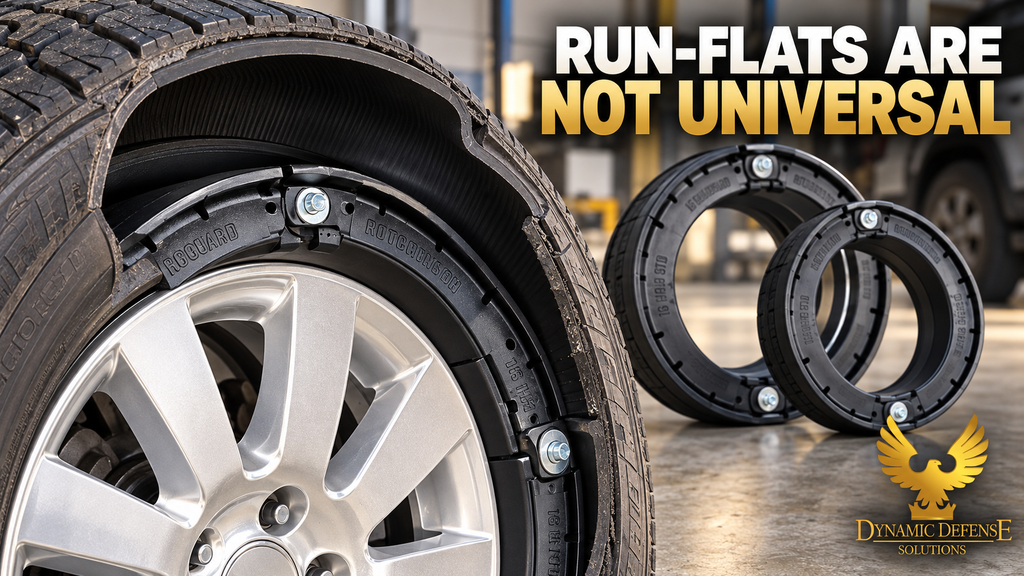
The term “run-flat” therefore covers several different technologies. It should not be treated as one universal product category.
Manufacturers offer different arrangements for different wheel designs and vehicle applications. Hutchinson, for example, separates systems intended for one-piece wheels from reinforced run-flat and beadlock arrangements used with two-piece tactical wheels.
When specifying run-flat systems for armored vehicles, buyers should confirm:
- Whether the wheel is one-piece, two-piece or three-piece
- The tyre’s full size and construction
- Wheel diameter and rim width
- Internal wheel profile
- Vehicle and individual axle loads
- Required bead-retention function
- Expected road and terrain conditions
- Target zero-pressure distance and speed
- Any applicable test or customer requirement
A product described simply as an “18-inch run-flat” does not provide enough technical information to confirm compatibility.
Confirm the Wheel Construction Before Selecting the Insert
Wheel construction is one of the first details that must be established.
Many protected SUVs and pickups retain one-piece OEM-style steel or alloy wheels. These normally require a run-flat system that can be installed through the tyre opening using suitable fitting equipment.
Military and tactical vehicles may use two-piece or three-piece wheels secured with bolts. These wheels can accept different run-flat or beadlock arrangements because the wheel itself can be separated during assembly.
The terminology used for these products can vary between manufacturers. For example, RunFlat International identifies its Dynamic system for single-piece wheels and its Static system for multi-piece wheels.
This does not mean that every product described as “dynamic” or “static” follows an identical design. The relevant manufacturer’s drawing, part number and fitting procedure should always be checked.
For run-flat systems for armored vehicles, a workshop should not assume that inserts designed around one-piece wheels can be transferred directly to multi-piece wheels—or the other way around.
The workshop should also identify the wheel material and inspect its condition. Cracks, deformation, corrosion, damaged bead seats or previous repairs can affect the suitability of the complete assembly, even if the insert dimensions are correct.
Why Tyre and Rim Dimensions Both Matter
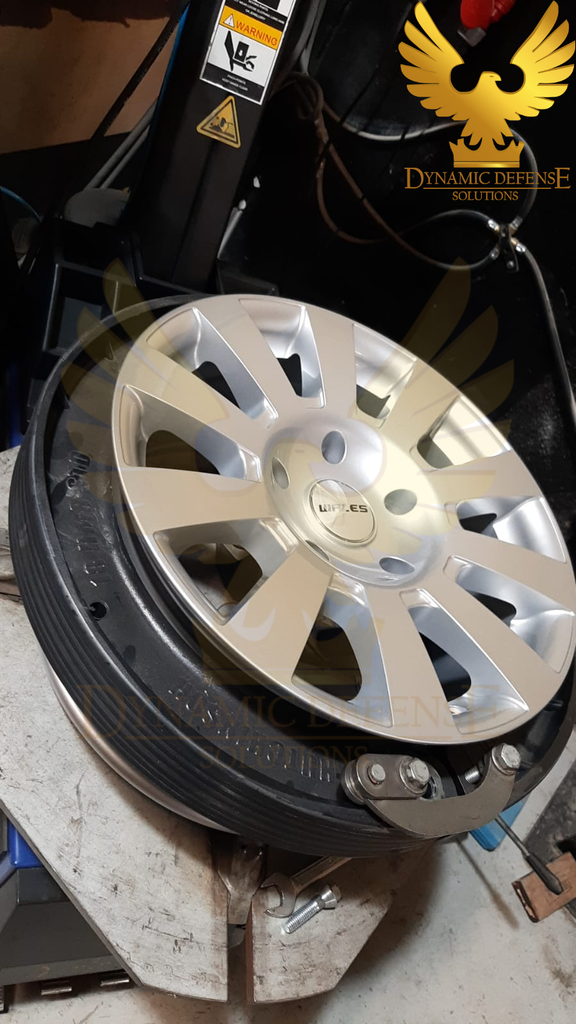
A tyre marking such as 265/60 R18 identifies several important characteristics, but it does not fully describe the wheel’s internal geometry.
The same nominal tyre size can be approved for more than one rim width. Different wheels may also have different centre-well profiles, bead-seat arrangements and internal clearances.
The run-flat’s inner profile must match the area where it sits on the wheel. Its outer diameter and support profile must also work inside the selected tyre.
If the outer support diameter is too small for the application, the tyre may collapse farther before engaging the insert. This can affect vehicle height, tyre deformation and the way loads are transferred during zero-pressure operation.
If the insert is too large, there may be inadequate inflated clearance between the run-flat and the tyre’s internal crown. That can create installation difficulties and unwanted contact during normal operation.
This is why run-flat systems for armored vehicles should be manufactured or selected using verified dimensions rather than estimates based only on the vehicle model.
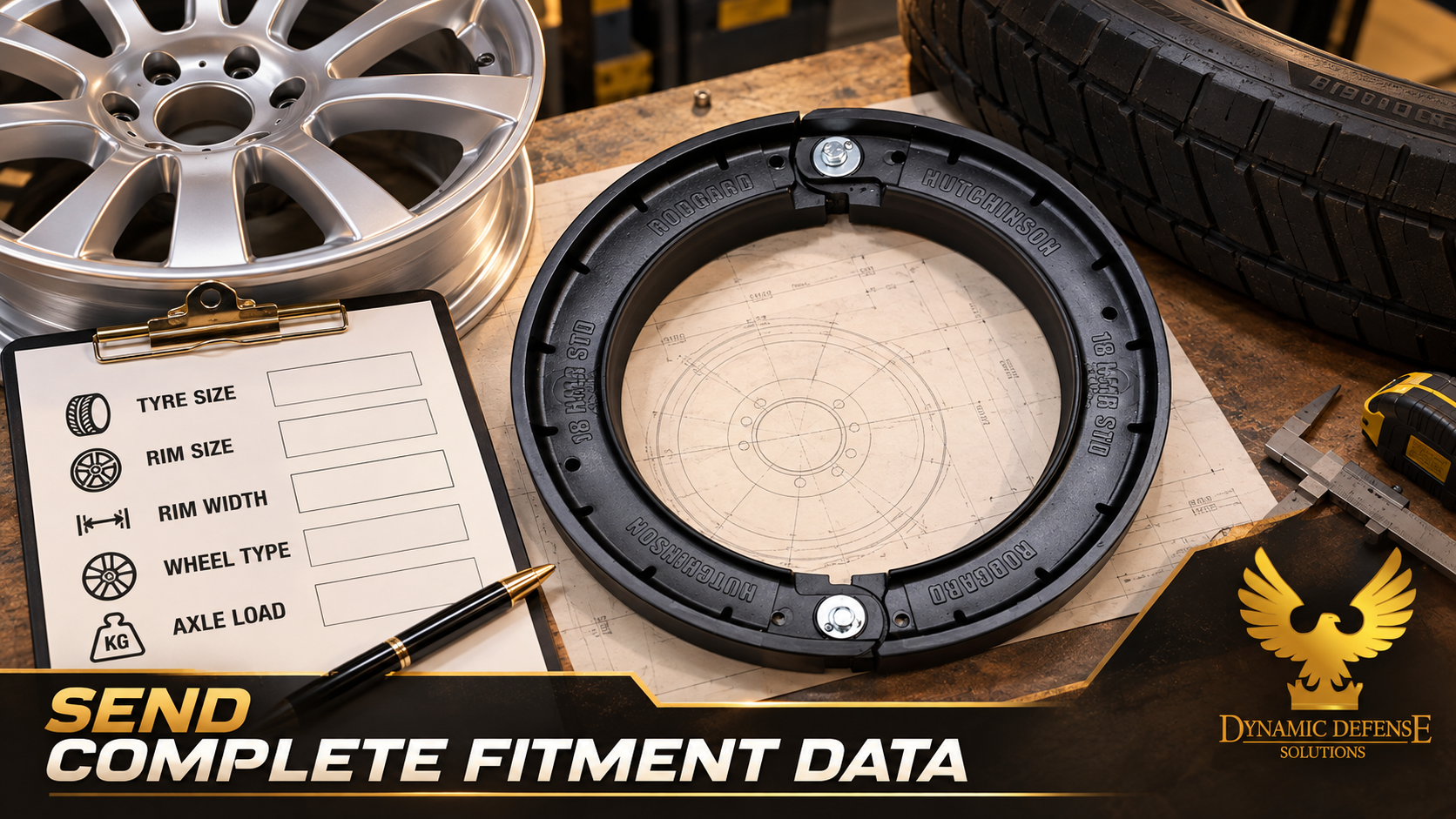
Useful wheel information includes:
- Wheel diameter
- Rim width
- Manufacturer and part number
- One-piece or multi-piece construction
- Internal centre-well diameter and width
- Bead-seat profile
- Valve position and available clearance
- Photographs or a physical sample where required
For repeat projects, the approved wheel specification should be controlled carefully. A later change in wheel supplier or design may require the run-flat fitment to be checked again.
Installation Is Part of Run-Flat Performance
Even a correctly selected insert can be compromised by poor installation.
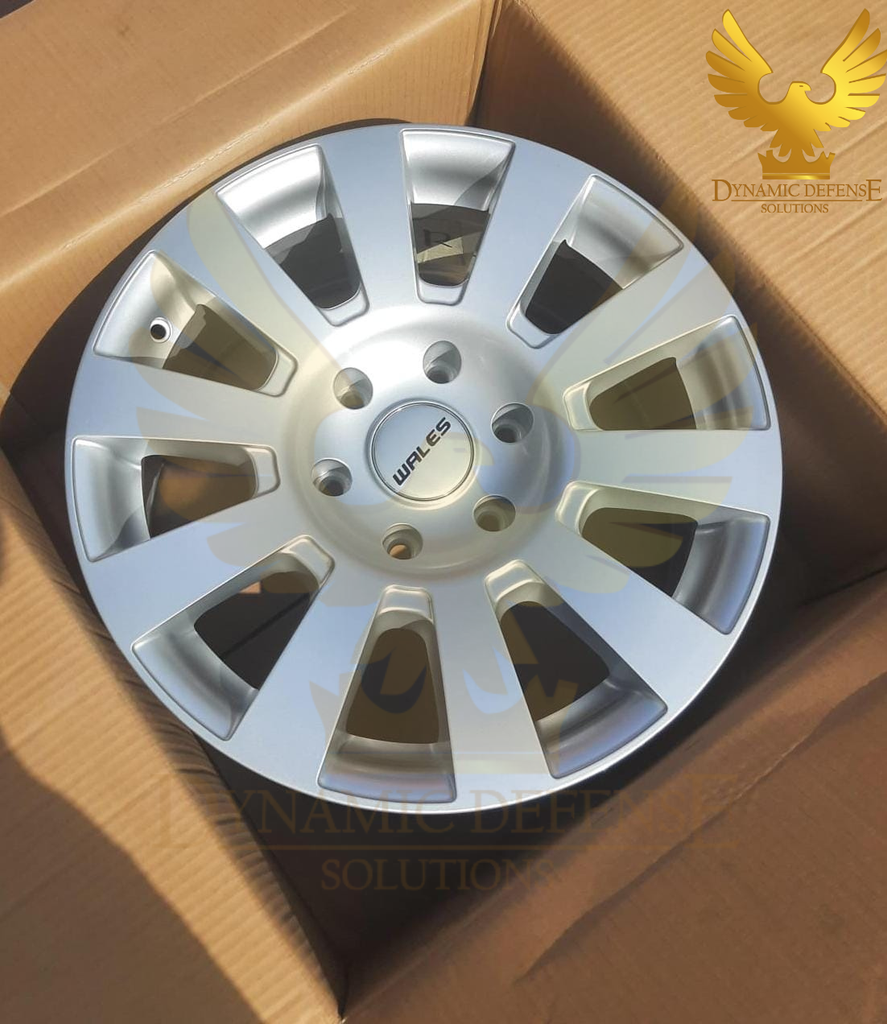
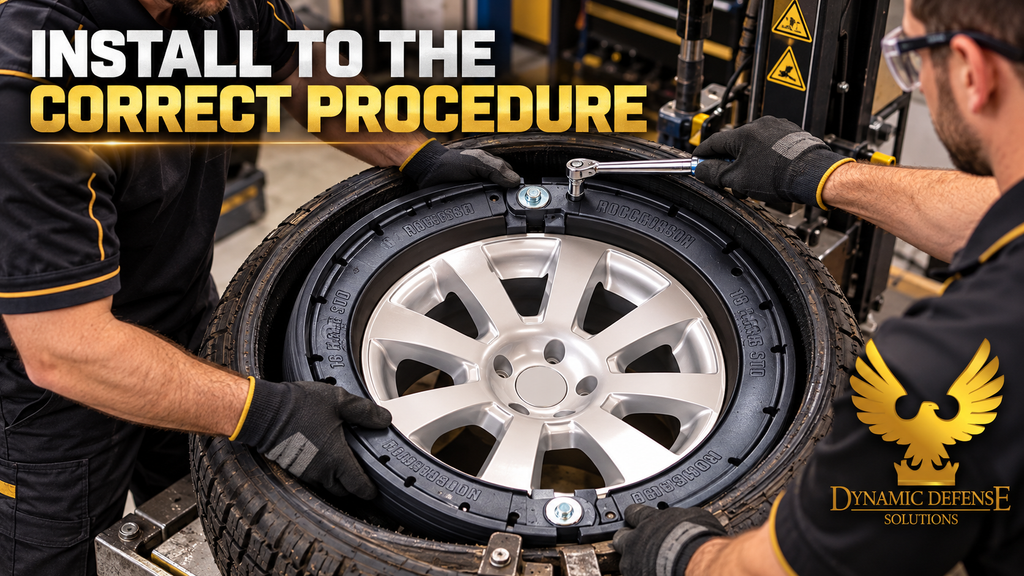
Run-flat systems normally have a defined assembly sequence, hardware arrangement, tightening procedure and torque requirement. Some systems require specific lubricant or adhesive in designated areas, while others prohibit lubricant in certain contact zones.
Manufacturer instructions should take priority over general workshop practice. Hutchinson and other run-flat manufacturers publish dedicated installation, disassembly and inspection procedures because the system must function as a complete assembly rather than as an independent ring placed inside a tyre.
When installing run-flat systems for armored vehicles, the workshop should verify:
- Correct segment orientation
- Condition of bolts, clamps and locking hardware
- Required fastener torque
- Valve and TPMS clearance
- Correct bead seating
- Absence of trapped tools or assembly cords
- Tyre condition after installation
- Wheel balance
- Air leakage
- Rotation clearance inside the inflated tyre
Technicians should also avoid forcing an insert into a tyre-and-wheel combination for which it was not designed. A successful physical installation does not automatically confirm safe operating compatibility.
After assembly, the wheel should be inflated using the appropriate workshop safety procedure. For large or high-pressure assemblies, this may include a tyre inflation cage and remote inflation equipment.
Zero-Pressure Performance Must Be Defined and Validated
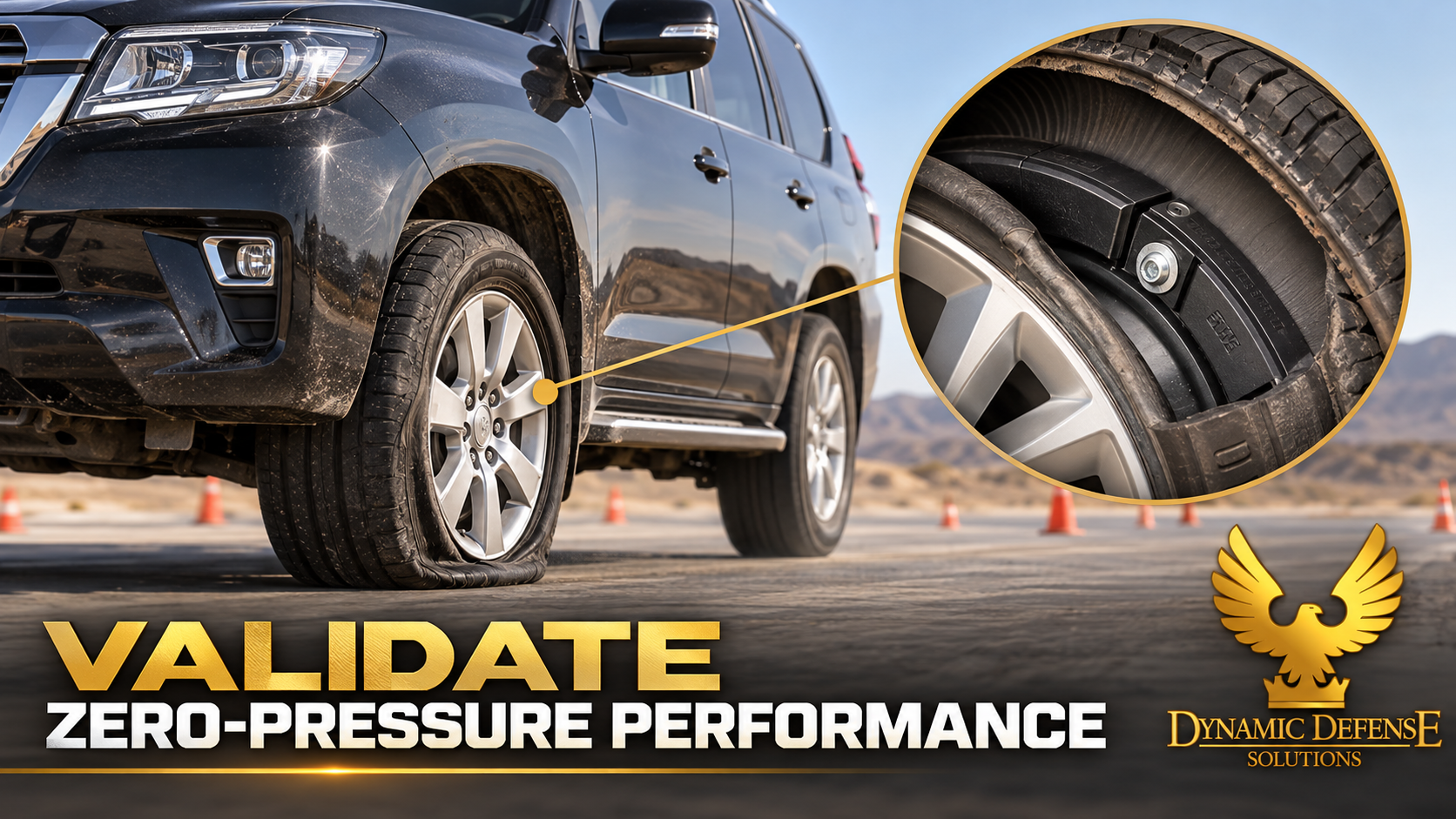
A statement such as “the run-flat can travel 100 kilometres” is incomplete unless the test conditions are known.
Zero-pressure capability depends on several factors:
- Vehicle weight
- Load carried by the affected wheel
- Number and position of deflated tyres
- Speed profile
- Road surface
- Ambient temperature
- Tyre condition
- Steering and braking inputs
- Run-flat construction
- Wheel and bead retention
- Test duration
The FINABEL documents commonly referenced for security and military run-flat testing define controlled road or cross-country profiles. The 50 km and 100 km procedures include specified speed stages and requirements relating to tyre retention, steering, stability and continued vehicle operation.
These standards are useful reference points, but a supplier should not claim that every assembly achieves a particular FINABEL distance merely because the insert material or a similar product has been tested.
The claim should apply to the tested system and stated conditions.
Likewise, installing tested run-flat systems for armored vehicles does not automatically certify the complete vehicle. Wheel loading, tyre selection, installation and final-vehicle behaviour remain part of the application.
Where project requirements justify it, the finished vehicle should undergo controlled validation. The test plan can include:
- Low-speed handling with reduced or zero pressure
- Steering response
- Braking stability
- Tyre retention on the wheel
- Insert movement relative to the rim
- Heat development
- Vibration
- Component condition after the test
Tests involving deliberate tyre deflation should only be conducted under controlled conditions by suitably qualified personnel.
After actual run-flat operation, the system should be inspected according to its manufacturer’s criteria. Some manufacturers recommend replacement after the system has operated in run-flat mode rather than returning the insert directly to service.
Information the Supplier Needs Before Production
The quality of a run-flat proposal depends heavily on the information supplied with the enquiry.
For run-flat systems for armored vehicles, buyers should ideally provide:
- Vehicle make, model and year
- Finished vehicle weight
- Front- and rear-axle loads
- Full tyre designation
- Tyre manufacturer and model
- Wheel diameter and rim width
- Wheel manufacturer or part number
- One-piece, two-piece or three-piece construction
- Clear photographs of the wheel
- Internal wheel dimensions or a technical drawing
- Required quantity, including spares
- Intended road and terrain conditions
- Required zero-pressure performance
- Applicable customer or test standard
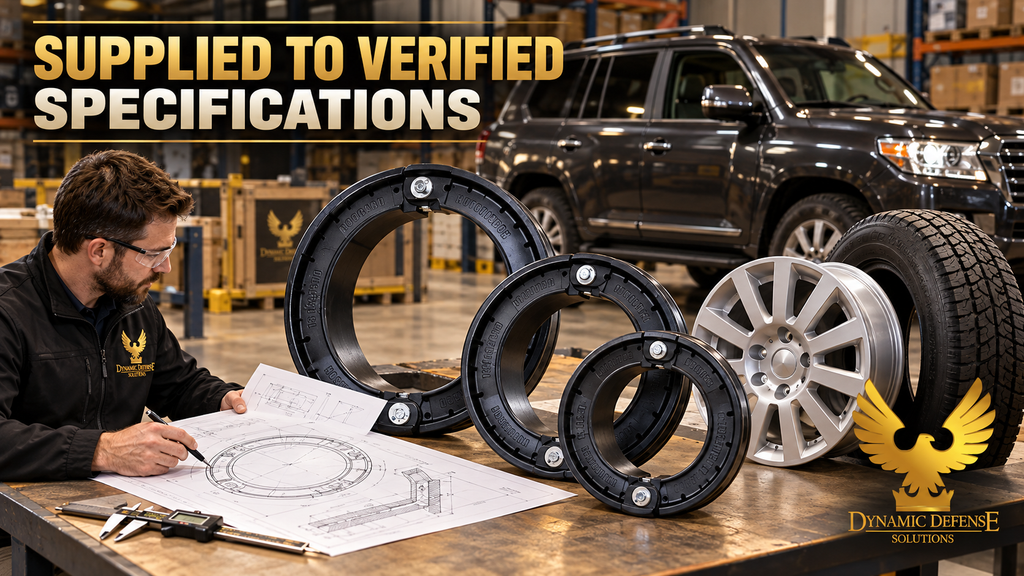
A physical sample wheel may be required where reliable drawings are unavailable or the internal profile is unusual. This is particularly relevant when the insert requires machining or adjustment to match the wheel accurately.
The finished axle load also matters. Armoring adds ballistic glass, steel or composite protection, reinforced doors, upgraded suspension and other components. The resulting load at each wheel can be significantly different from the standard vehicle specification.
Tyres and wheels must have suitable load ratings for the completed vehicle. The run-flat insert should not be used to compensate for an overloaded tyre or under-rated wheel.
How run-flat systems for armored vehicles Supports Run-Flat Projects
Dynamic Defense Solutions supplies specialized armored-vehicle components for international projects. DDS supports manufacturers, armoring companies, security-vehicle builders, integrators and qualified workshops rather than positioning itself primarily as a vehicle armoring bodyshop.
For run-flat enquiries, DDS can review the vehicle, tyre, wheel and load information before proposing a suitable solution. Depending on the project, support may include inserts for common SUV and pickup applications, multi-piece wheel solutions or complete wheel-and-run-flat assemblies where applicable.
The approach to run-flat systems for armored vehicles should always be specification-led. The correct solution is not determined by wheel diameter alone.
DDS can also support related protected-vehicle requirements, including heavy-duty suspension and braking components. These systems may need to be considered together because armoring weight and wheel-assembly mass affect vehicle dynamics, braking and suspension control.
Manufacturers and workshops are encouraged to send complete project data at the enquiry stage. Verified information helps reduce unnecessary modification, installation delays and fitment disputes.
Conclusion
Correct run-flat selection begins with compatibility, not with a generic size description. The tyre designation, wheel construction, internal rim geometry, vehicle load, installation method and expected zero-pressure duty must all be considered together.
Properly selected and installed run-flat systems for armored vehicles can support continued mobility after tyre pressure loss, but their performance depends on the complete wheel-and-tyre assembly and the conditions under which it is used.
Dynamic Defense Solutions can assist armored-vehicle manufacturers, converters, integrators and workshops with run-flat solutions based on verified project requirements.
Send Us Your Inquiries Today
SIMILAR PRODUCTS
SUCCESSFULL STORIES
LOGISTICS SERVICES
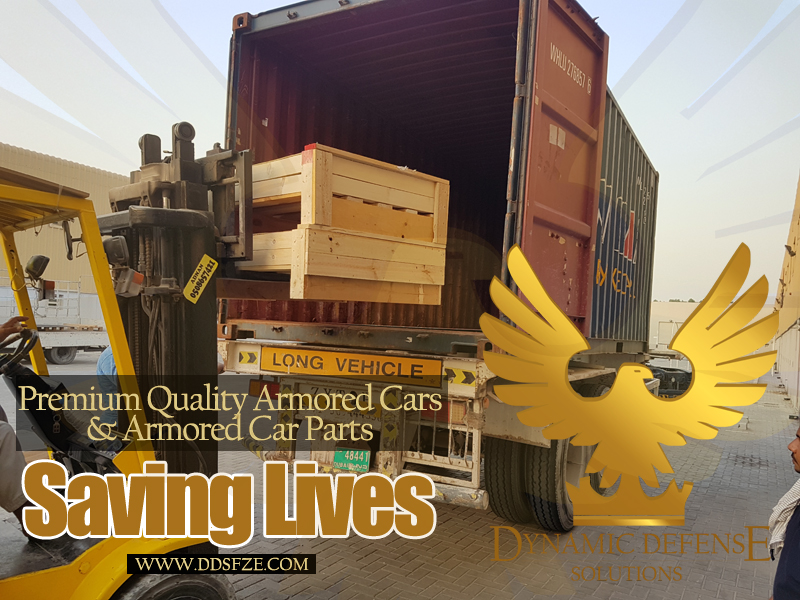
Supply Chain is core of our operational efficiency providing logistics services anywhere in the world for Armored cars and Armored cars parts. To date we have successfully shipped our products to many countries around the Globe. Our supply chain is supported by a dedicated team of highly capable and experienced logistic professionals. Offering freight by air, land or sea within efficient time frame
HAVE SUCCESSFULLY SHIPPED OUR ARMORED CARS PARTS TO MANY COUNTRIES AROUND THE GLOBE

RELATED BLOGS
Armored Vehicle Parts Ukraine: Complete Guide for TLC 76, 78, 79, Hilux & L200
Armored Vehicle Suspension Systems: Why They Matter More Than You Think
Prado 250 Armored Car Parts & Protection Kit
One Reply to “Run-Flat Systems for Armored Vehicles: Why Correct Fitment Matters”
Comments are closed.