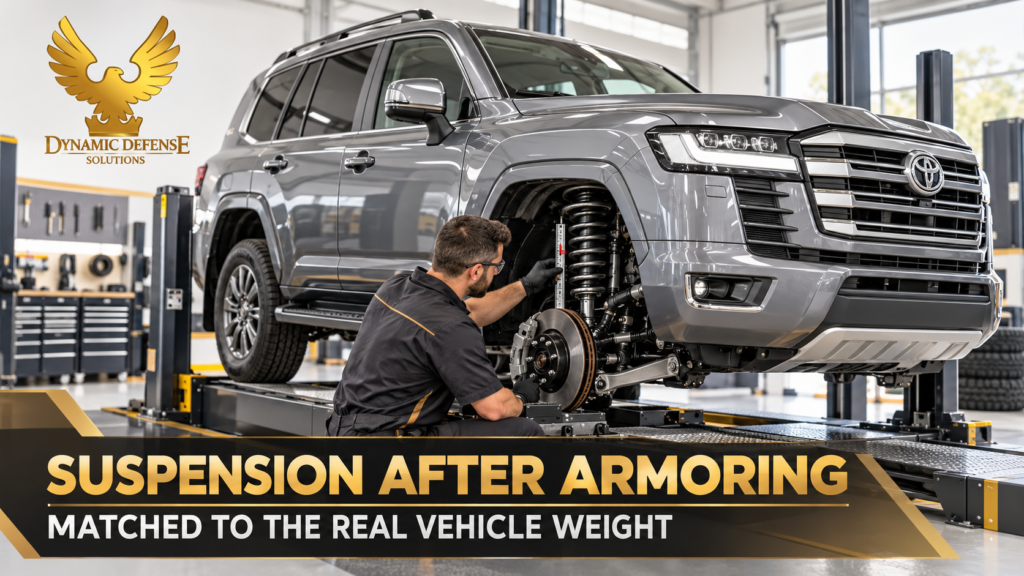
Heavy-Duty Suspension for Armored Vehicles: Why Finished Weight Matters
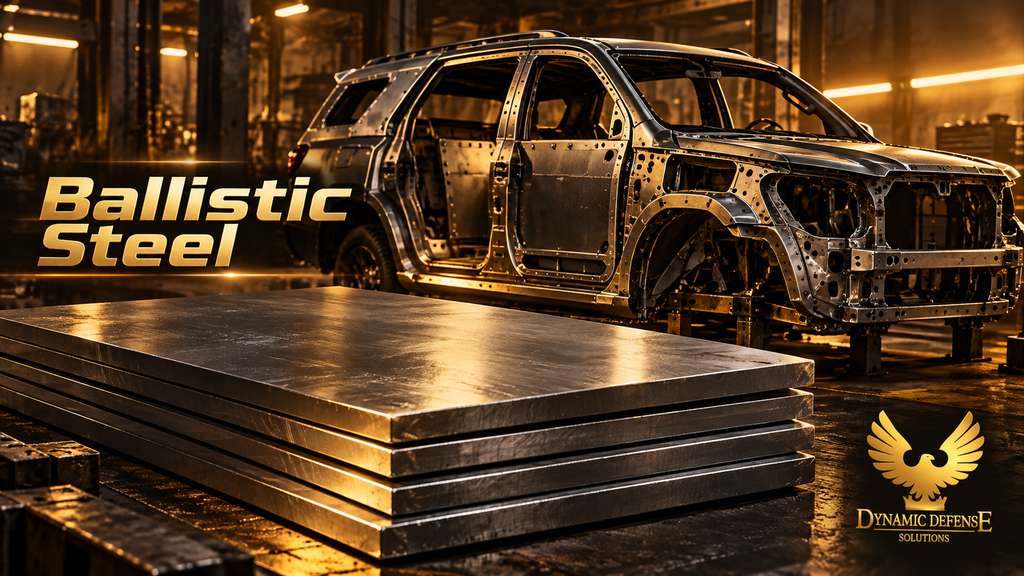
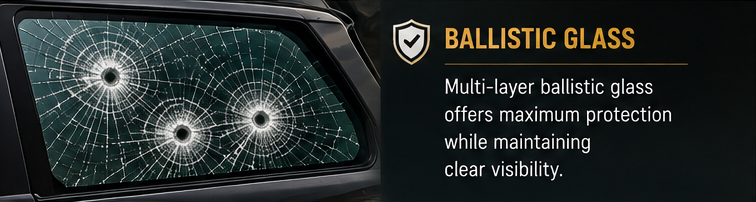
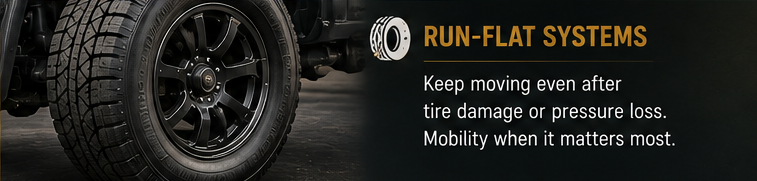
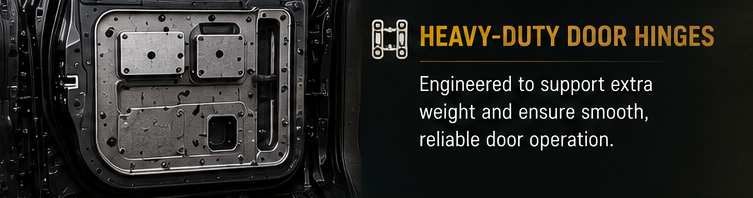
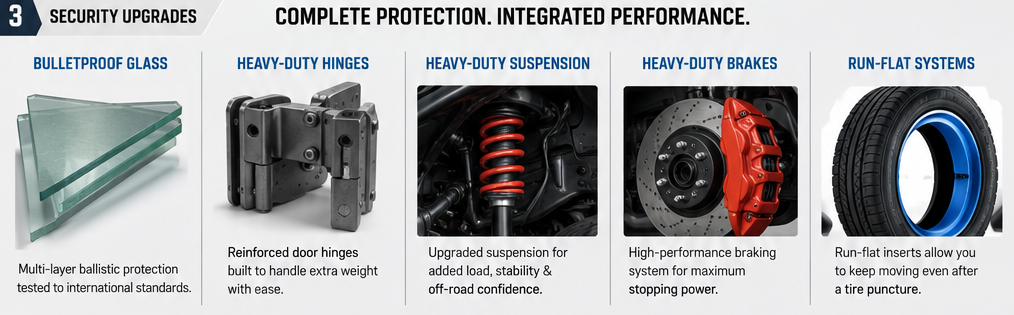
Adding ballistic steel, multi-layer ballistic glass, reinforced doors, run-flat systems and other protection components changes much more than a vehicle’s kerb weight. It changes how the vehicle sits, accelerates, brakes, corners and responds to uneven surfaces.
That is why selecting heavy-duty suspension for armored vehicles should not begin with a generic lift-kit catalogue or a spring described simply as “extra heavy-duty.” The selection must be based on the finished vehicle, its actual axle loads and its intended operating conditions.
A suspension package that works on an unloaded SUV may be completely unsuitable once several hundred kilograms of permanent protection weight have been installed.
Why Heavy-Duty Suspension for Armored Vehicles Must Account for Added Load
A production vehicle’s original suspension is designed around a defined operating-weight range. Once armor is installed, the springs are required to support a greater permanent load.
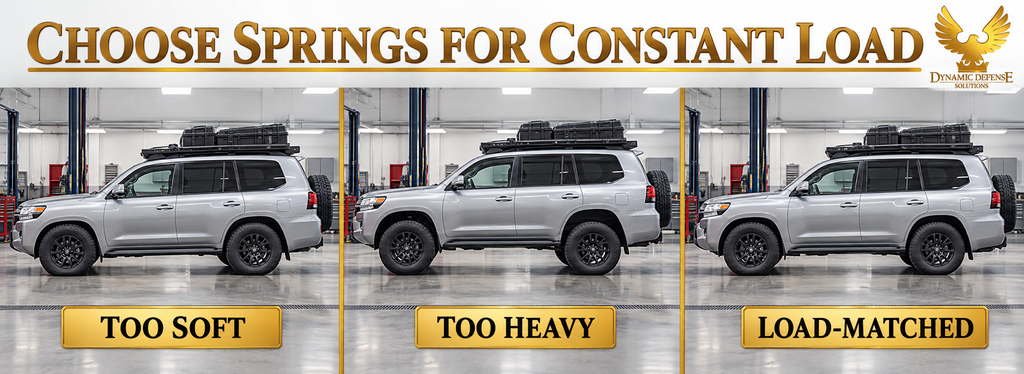
If the original springs are retained, the vehicle may sit lower than intended. Available compression travel can be reduced, leaving the suspension closer to its bump stops. The vehicle may then bottom out more frequently on potholes, speed humps or rough surfaces.
Added mass also increases the energy the dampers must control. During braking, more weight transfers toward the front axle. In corners, the additional mass can increase body roll. During quick direction changes, an incorrectly matched system can allow the body to continue moving after the steering input has changed.
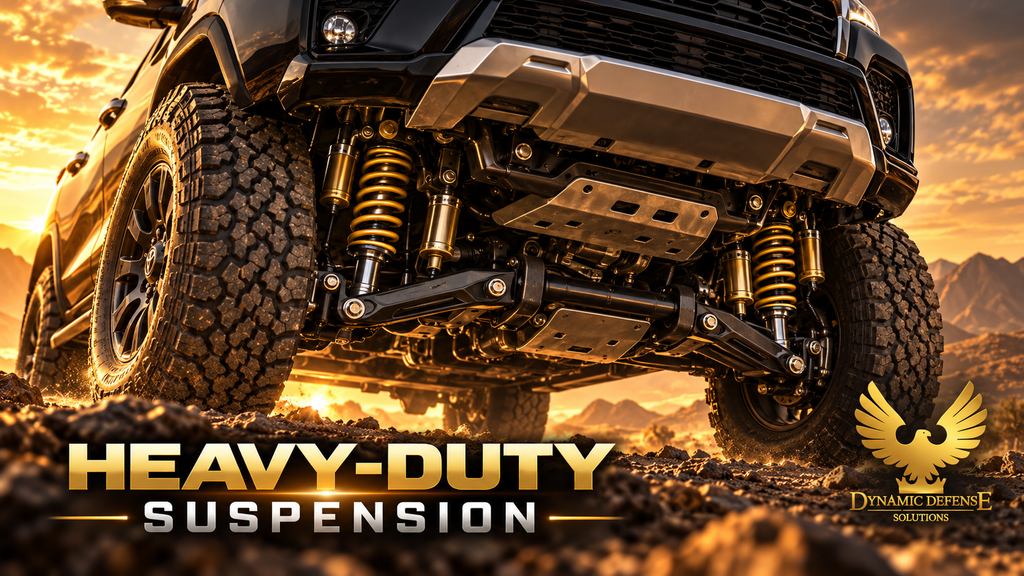
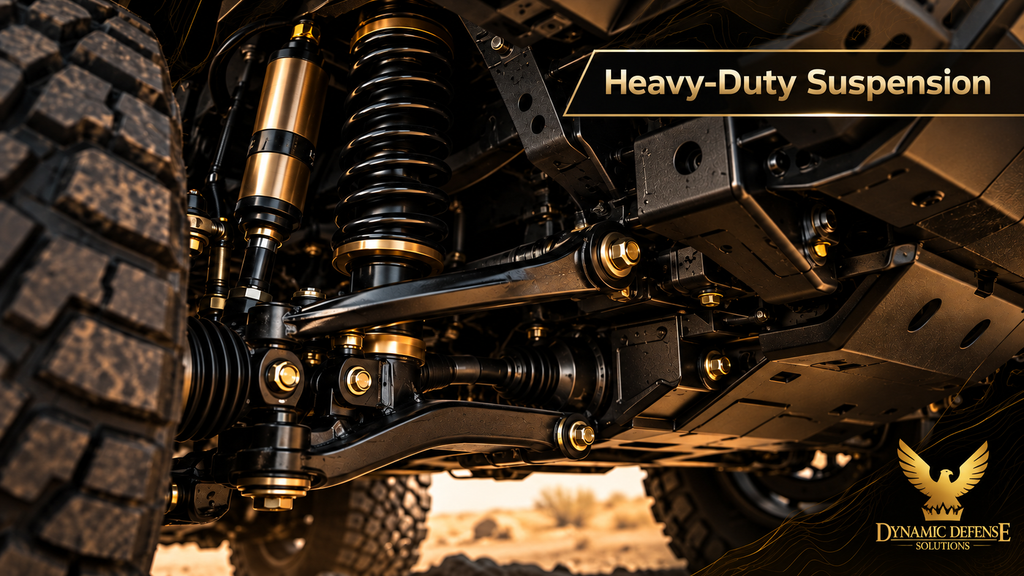
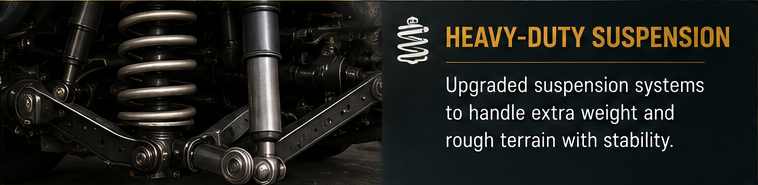
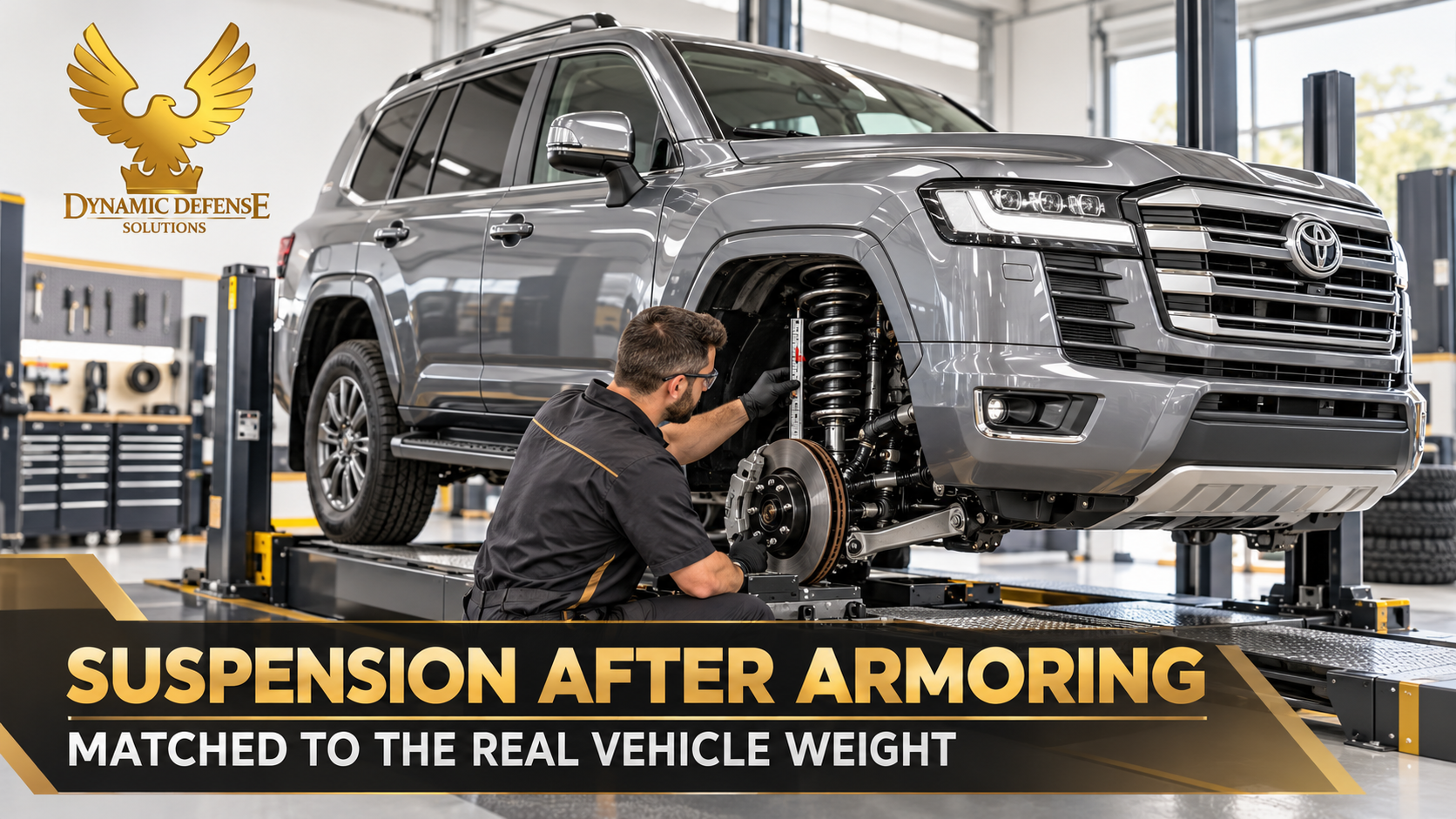
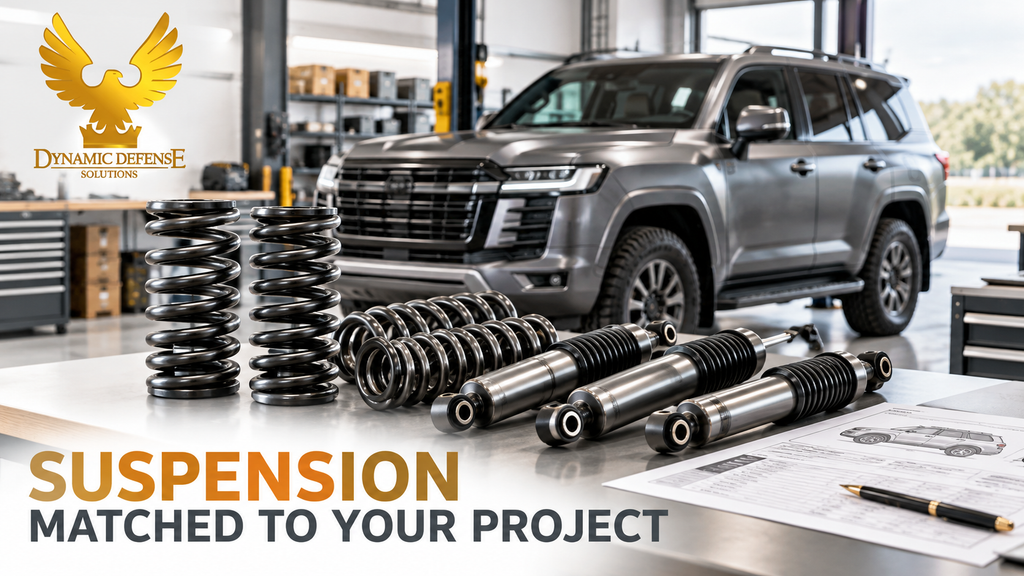
Properly specified heavy-duty suspension for armored vehicles is therefore intended to restore usable ride height, maintain suspension travel and control the movement of the heavier body. It should not be treated merely as a cosmetic lift.

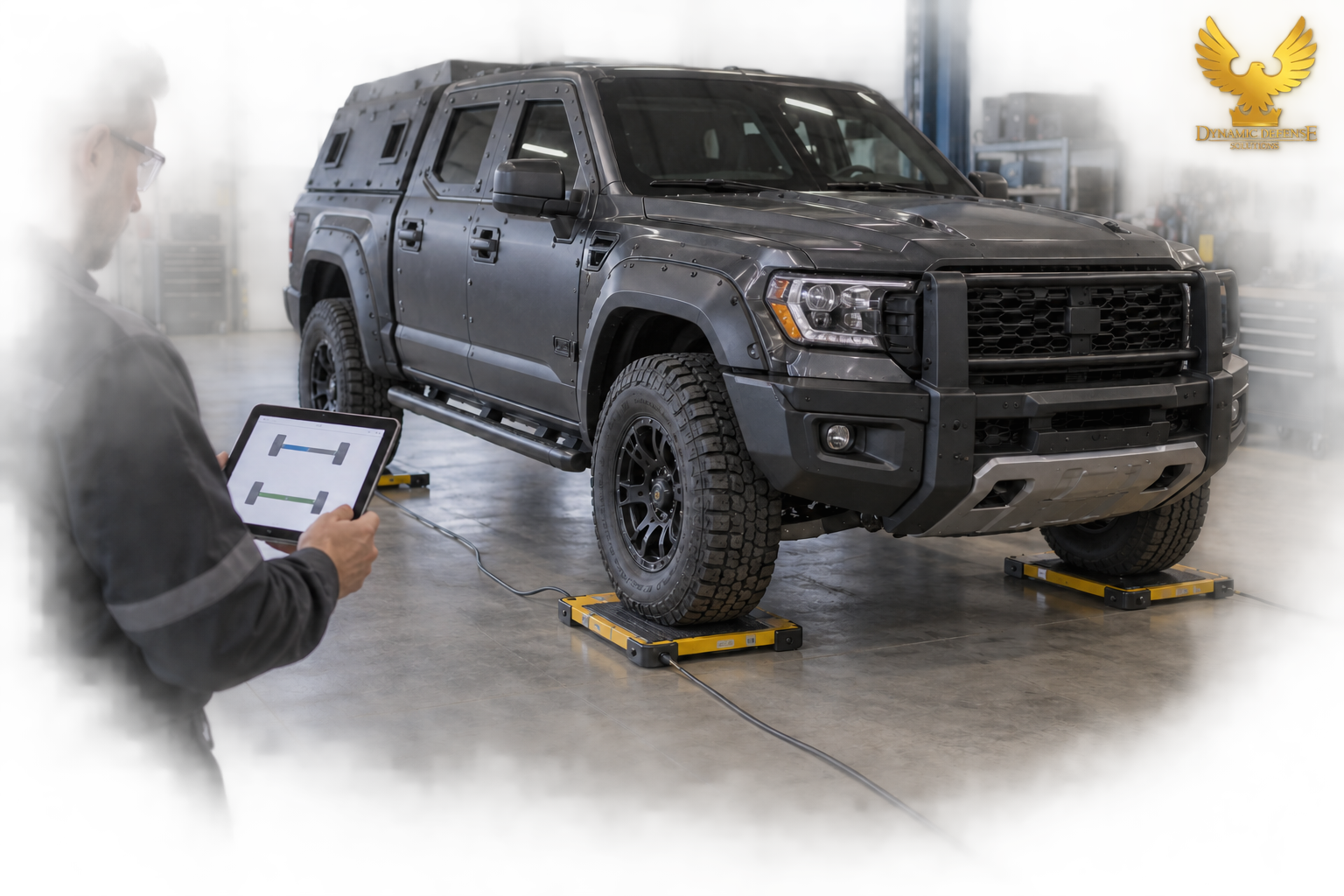
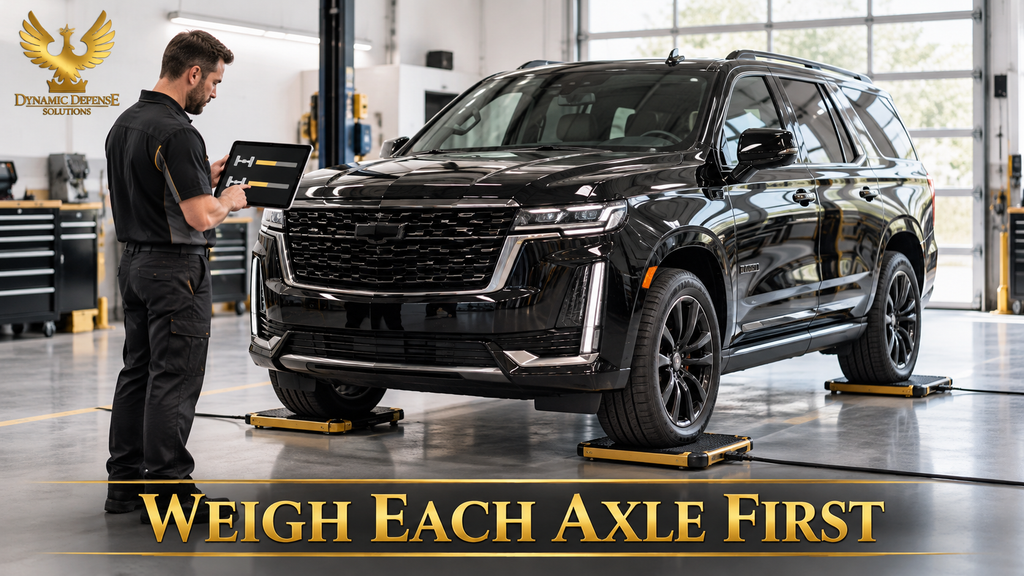
Start With Finished Vehicle Weight and Axle Loads
The most useful suspension data comes from the completed vehicle—not from the standard vehicle brochure.
Ideally, the protected vehicle should be weighed after the ballistic glass, steel, reinforced doors, interior panels, communications equipment, run-flat systems and other permanent components have been fitted. It should also carry representative fluids, tools and operating equipment.
Total weight alone is not enough. Front- and rear-axle loads should be recorded separately because the added mass is rarely distributed evenly.
For example, a large ballistic windshield and reinforced front doors may add substantial weight toward the front. Rear cargo-area protection, equipment cabinets or a protected rear bulkhead may shift more of the load toward the rear axle.
When heavy-duty suspension for armored vehicles is selected using only an estimated total weight, one axle may receive the wrong spring rate even if the vehicle’s overall weight estimate appears reasonable.
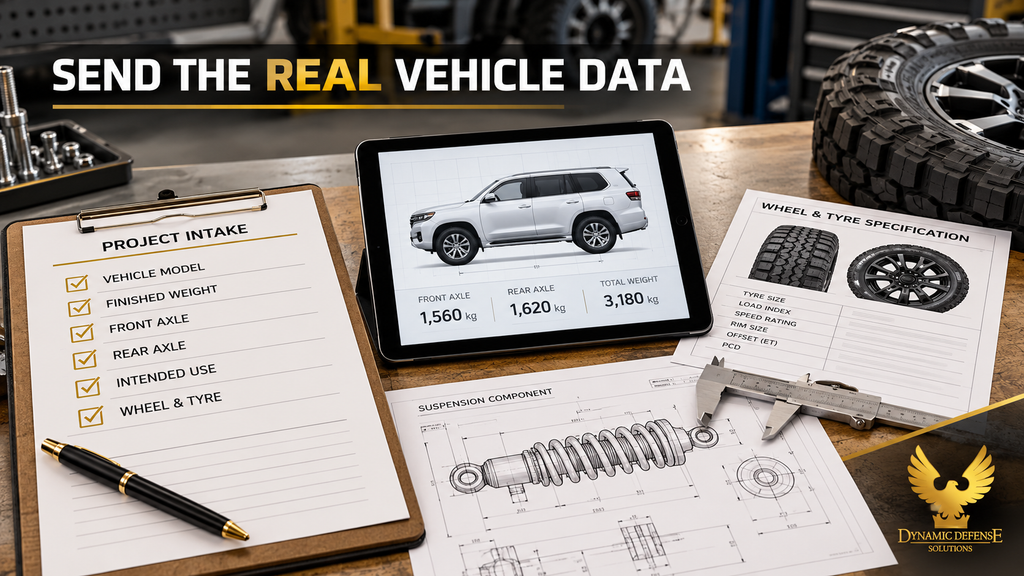
The following project data is particularly useful:
- Vehicle make, model, year and drivetrain
- Finished operating weight
- Measured front-axle load
- Measured rear-axle load
- Current front and rear ride heights
- Additional equipment still to be installed
- Wheel, tyre and run-flat configuration
- Intended road, climate and duty conditions
- Desired operating height and handling characteristics
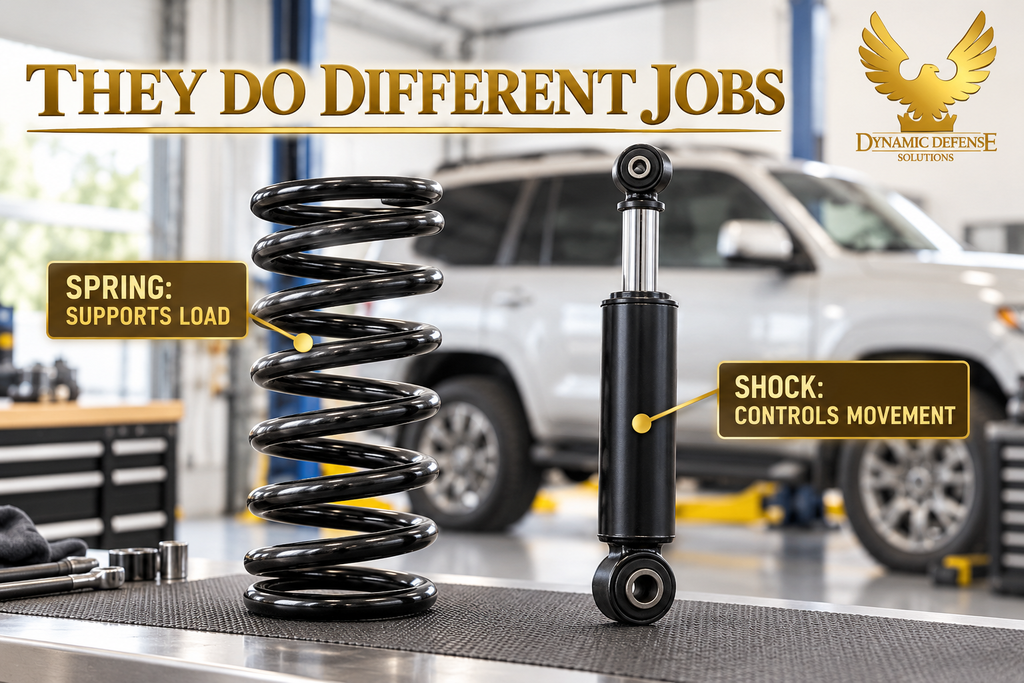
Springs and Shock Absorbers Perform Different Jobs
Springs and shock absorbers are related, but they should not be confused.
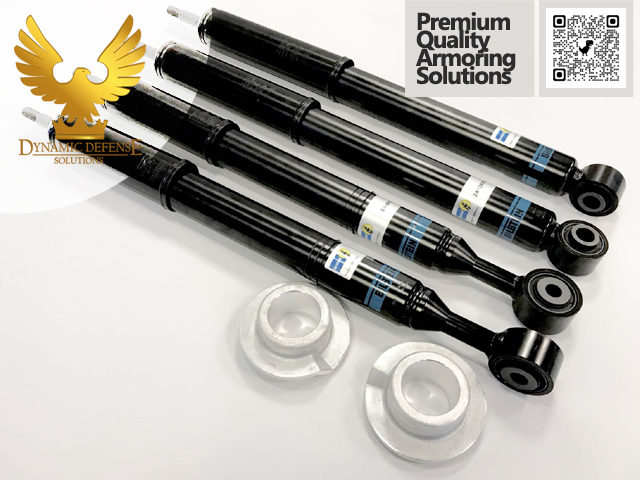
The springs support the vehicle’s static weight and establish its ride height. Their rate must be appropriate for the permanent load carried by each axle. Shock absorbers control the speed of suspension movement and reduce continued oscillation after the vehicle encounters a bump, brakes or changes direction.
Installing stronger shock absorbers without correcting overloaded springs will not normally restore the correct static ride height. Similarly, installing higher-rate springs while retaining dampers intended for the original vehicle mass may produce insufficient control.
An effective heavy-duty suspension for armored vehicles normally requires the spring rate and damping characteristics to work together.
The spring should support the permanent added mass without excessive sag. The damper must then control that spring and the heavier vehicle body through compression and rebound.
Selecting the highest available spring rate is not automatically the right answer. A spring intended for a much heavier constant load may produce a harsh ride, poor compliance and reduced wheel control when the vehicle is lightly occupied. Load-matched springs are preferable to choosing a specification based only on an “HD” or “extra-heavy” product label.
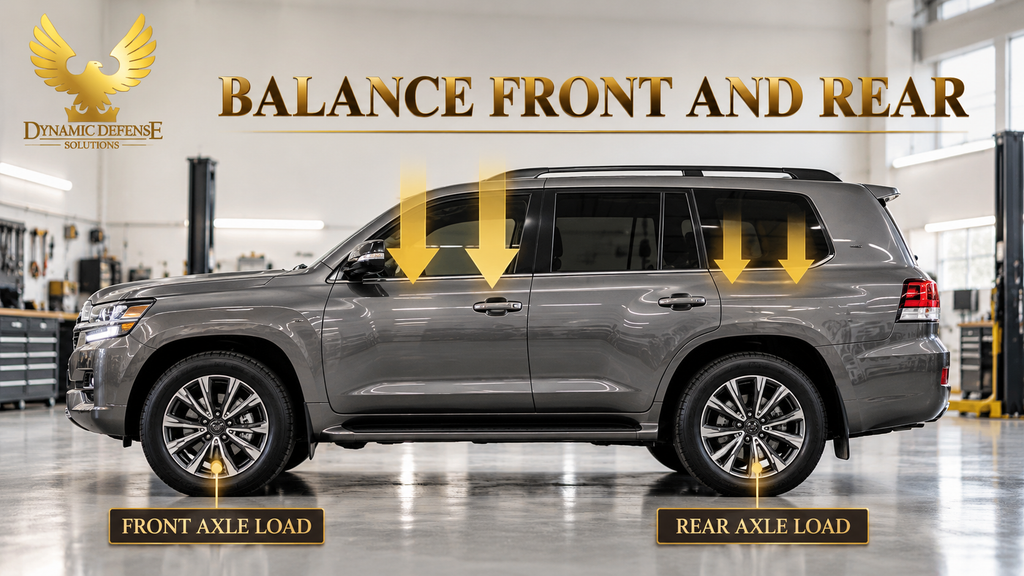
Front and Rear Suspension Must Be Matched Separately
Protected vehicles often have different loading requirements at the front and rear.
The front suspension may need to support ballistic windshield weight, front-door protection and additional under-bonnet equipment. The rear suspension may carry rear-door armor, cargo-area protection, auxiliary batteries or operational equipment.
Using the same percentage increase in spring rate at both ends can create an unbalanced result. A front-heavy vehicle may still nose-dive under braking, while an excessively stiff rear spring may cause the rear tyres to lose compliance over uneven surfaces.
A well-matched heavy-duty suspension for armored vehicles should consider:
- The permanent load added to each axle
- The original front-to-rear weight distribution
- The suspension design and available wheel travel
- Expected passenger and payload variation
- On-road versus rough-road operation
- Vehicle height and stability requirements
Spring selection may also need to account for side-to-side weight variation. Fuel tanks, battery systems or installed equipment can create a persistent difference between the left and right sides of the vehicle. The completed vehicle should therefore be measured on a level surface before and after installation.
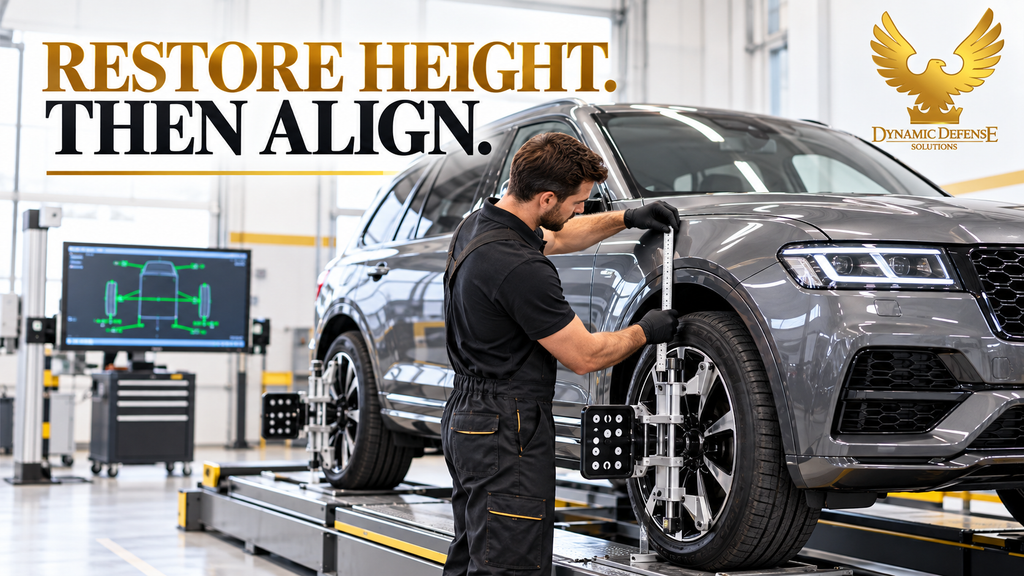
Restore Ride Height, Then Check Geometry and Alignment
Restoring ride height is important, but the work does not finish when the vehicle appears level.
Suspension height affects wheel alignment, steering geometry, driveline angles and component clearances. Incorrect ride height or alignment can contribute to irregular tyre wear and poor handling. Alignment should be checked after suspension installation and again if the springs settle during initial use.
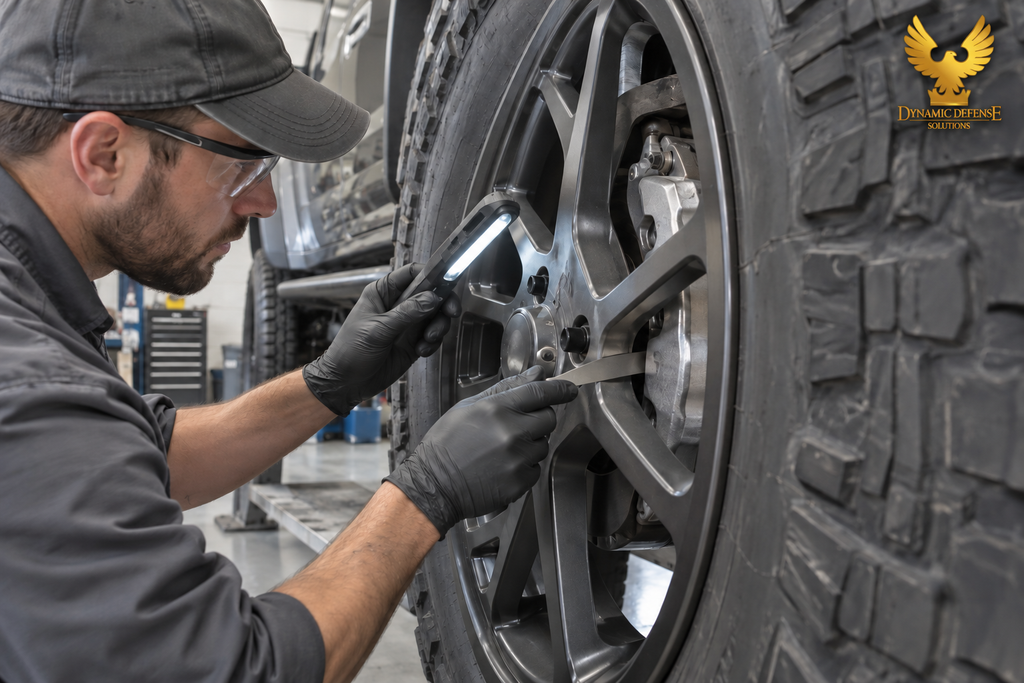
After fitting heavy-duty suspension for armored vehicles, the workshop should inspect:
- Compression travel before contact with the bump stops
- Rebound or droop travel
- Tyre clearance at full steering lock
- Clearance between tyres, bodywork and armor panels
- Brake-hose and ABS-wire routing
- Driveshaft and CV-joint angles
- Anti-roll-bar and link clearances
- Headlamp aim where ride height has changed
- Front and rear wheel alignment
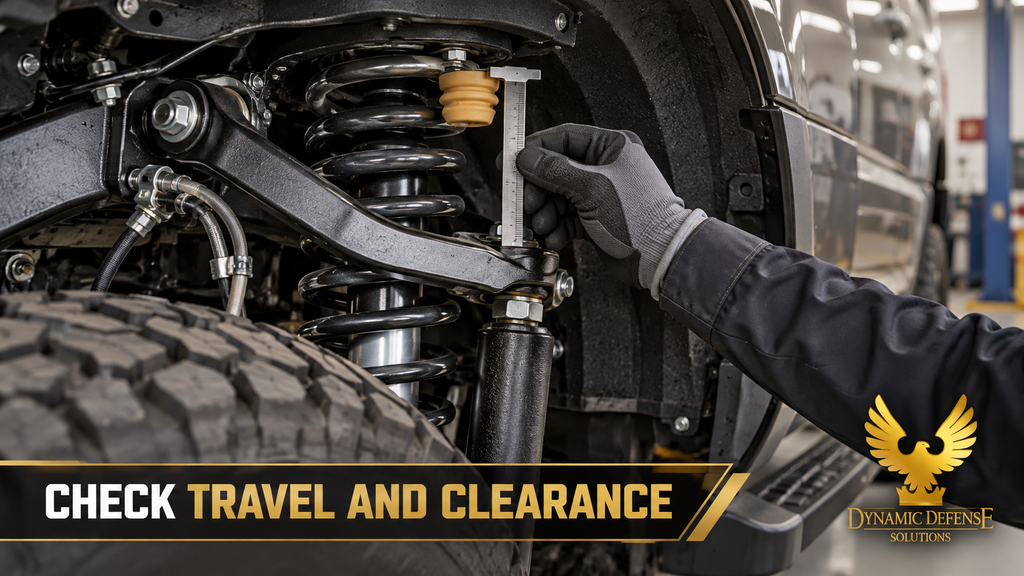
A vehicle that has regained its original arch-to-wheel appearance can still have inadequate suspension travel or incorrect geometry. Measurements and physical clearance checks are more reliable than visual assessment alone.
Stronger Springs Do Not Automatically Increase the Vehicle Rating
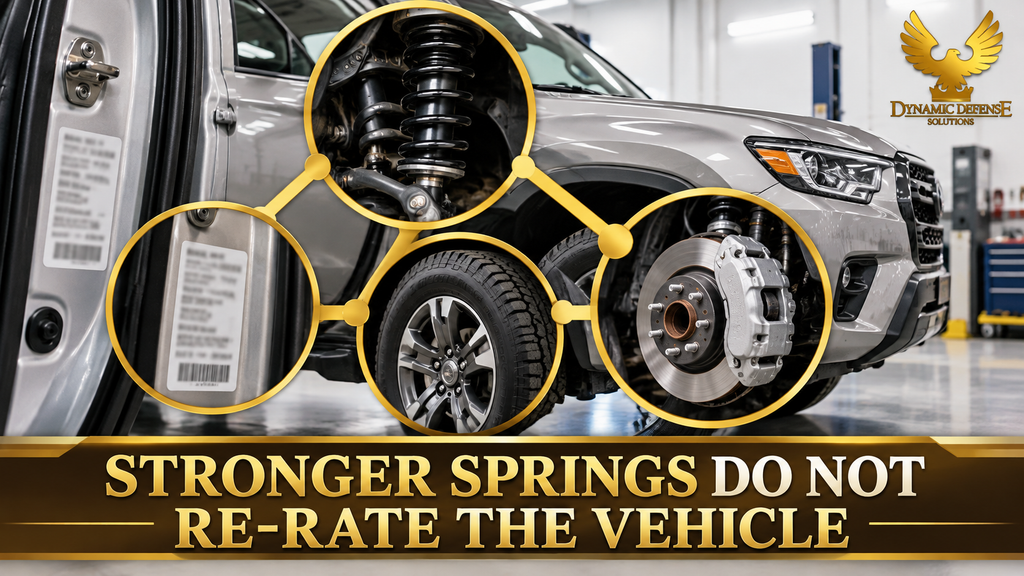
A suspension upgrade does not, by itself, increase the manufacturer’s Gross Vehicle Weight Rating or Gross Axle Weight Ratings.
Vehicle weight limits depend on several connected systems, including the axles, tyres, wheels, brakes, steering, frame, drivetrain and suspension. Official guidance also treats the lowest-rated relevant component as a limiting factor when axle or vehicle capacity is assessed.
This distinction is important when specifying heavy-duty suspension for armored vehicles. Higher-rate springs may restore ride height and improve control at the vehicle’s completed weight, but they do not automatically provide legal or engineering approval for a higher maximum vehicle mass.
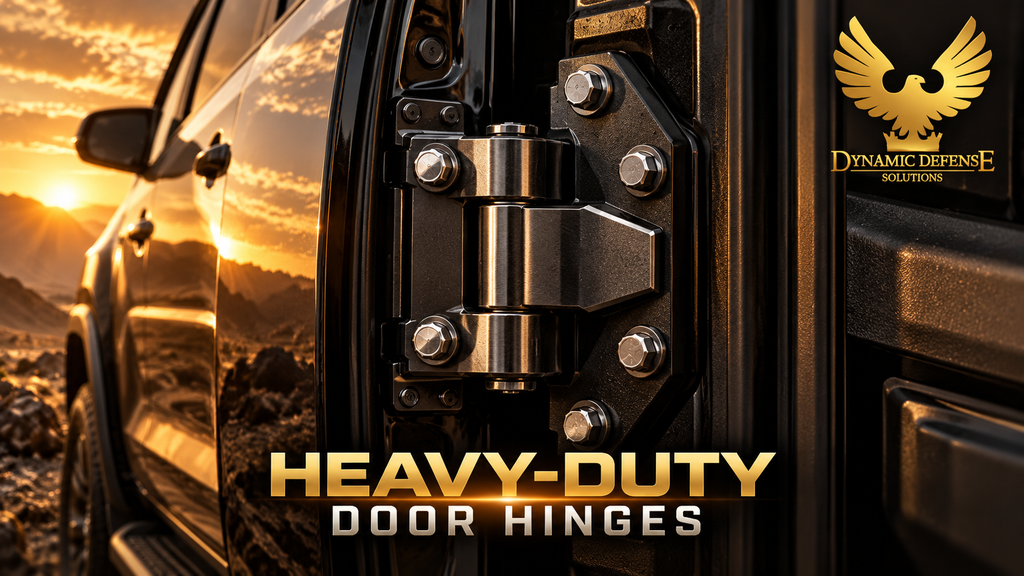
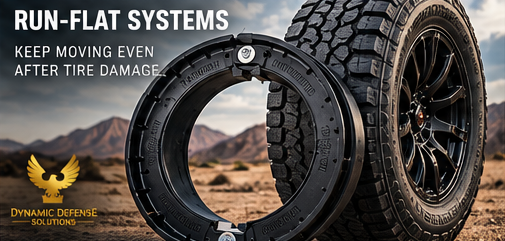
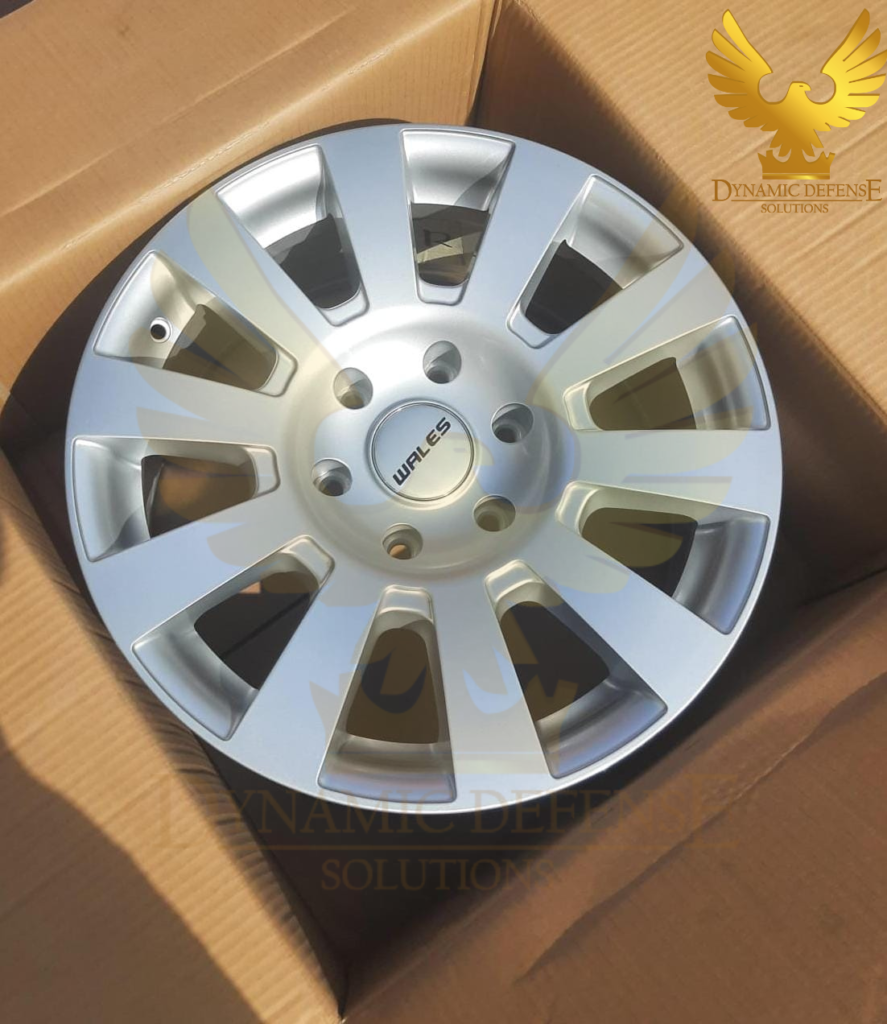
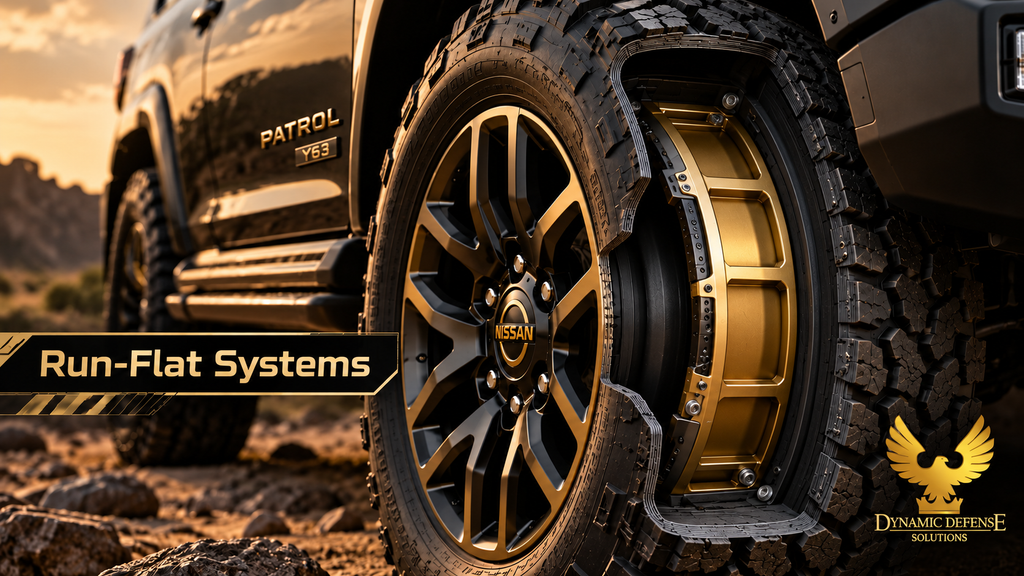
Tyre load ratings and wheel capacity must also be verified, particularly when run-flat inserts are installed. The combined wheel, tyre and run-flat assembly adds unsprung and rotational mass, which can influence steering response, braking behaviour and damper requirements.
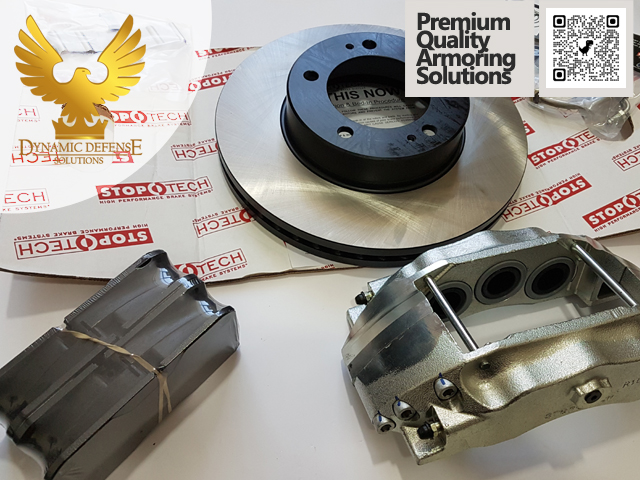
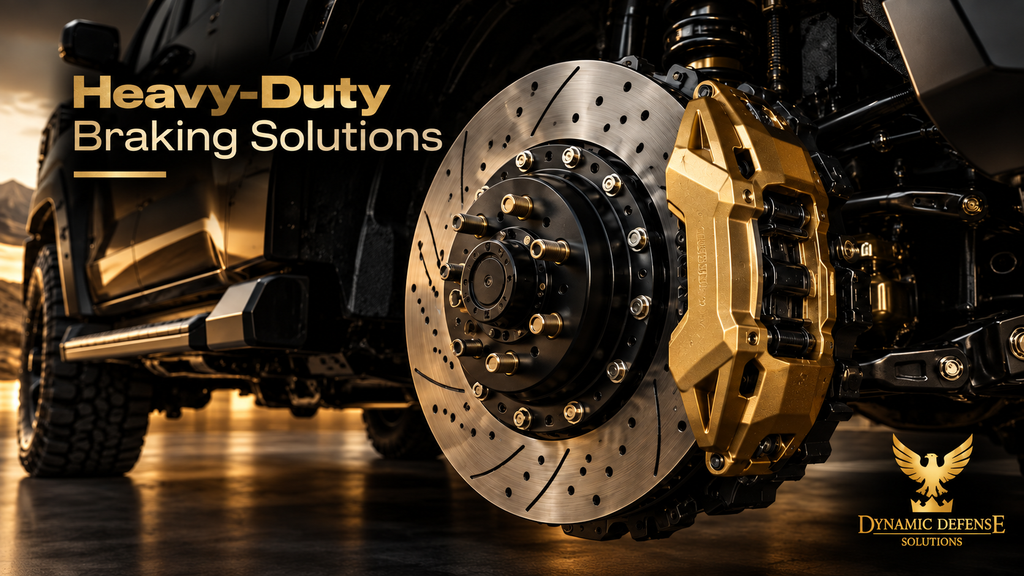
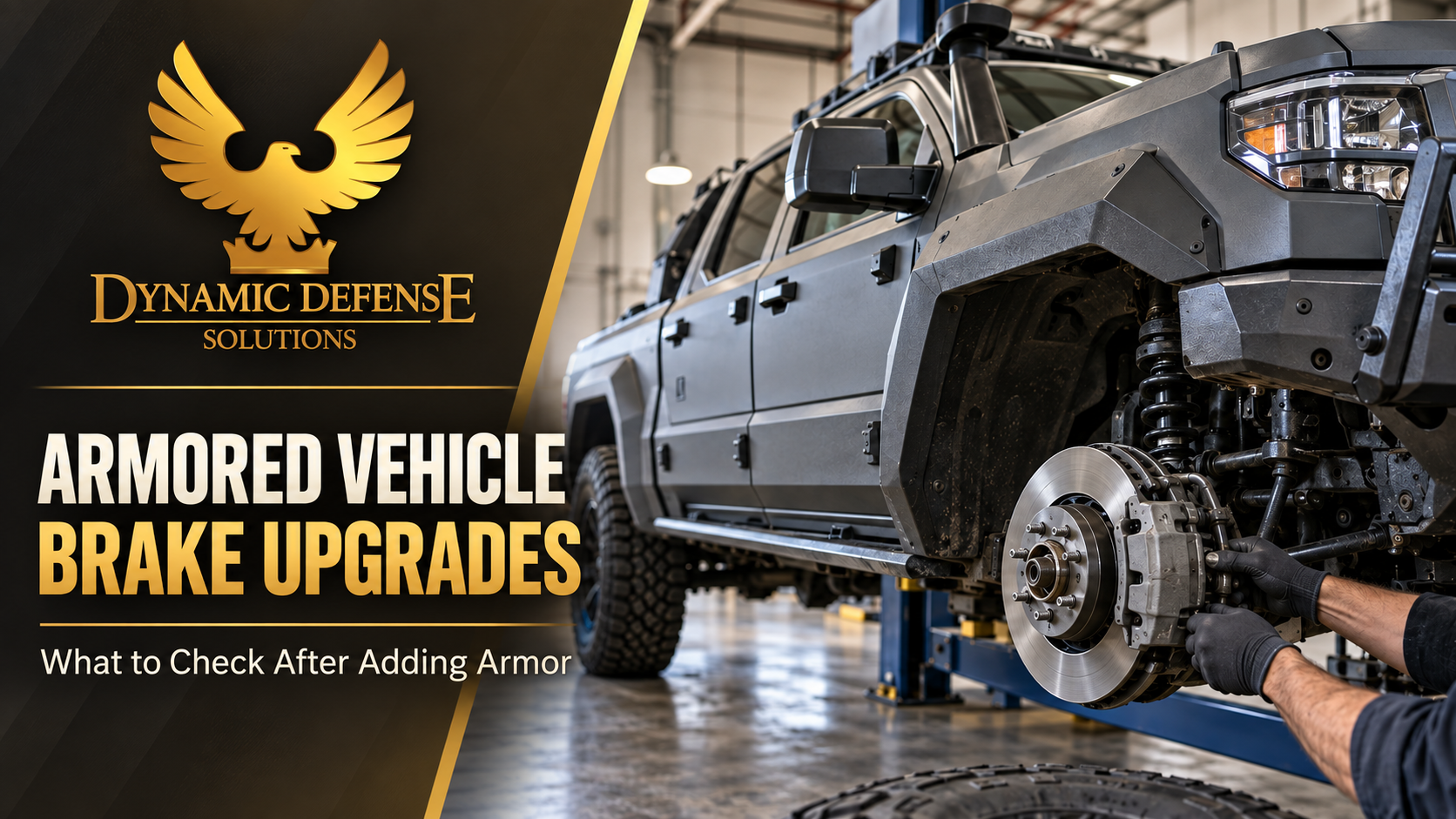
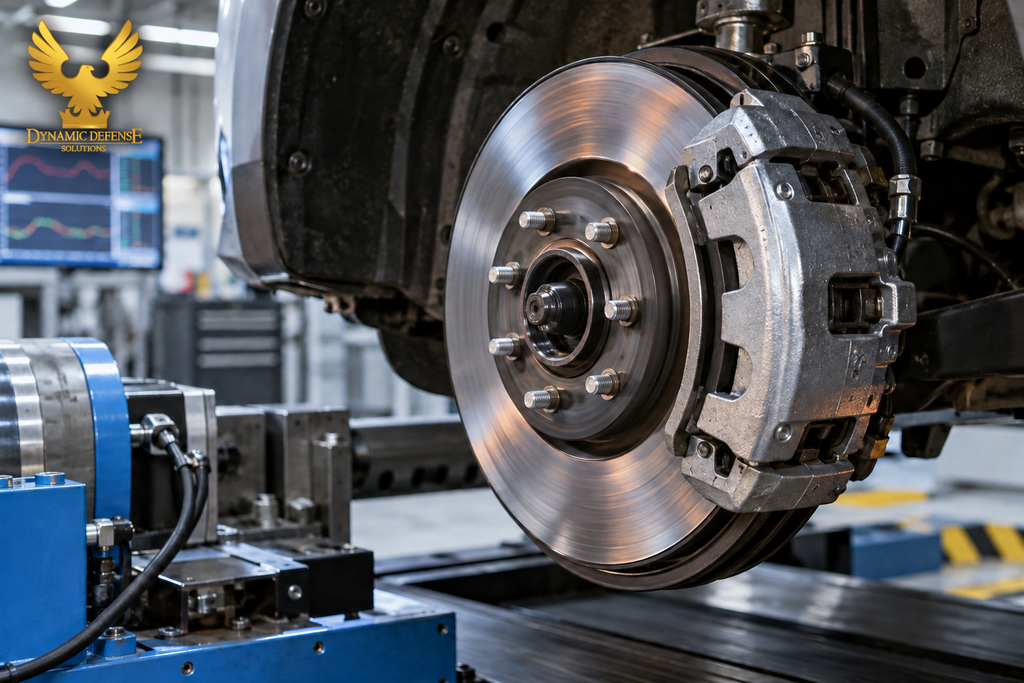
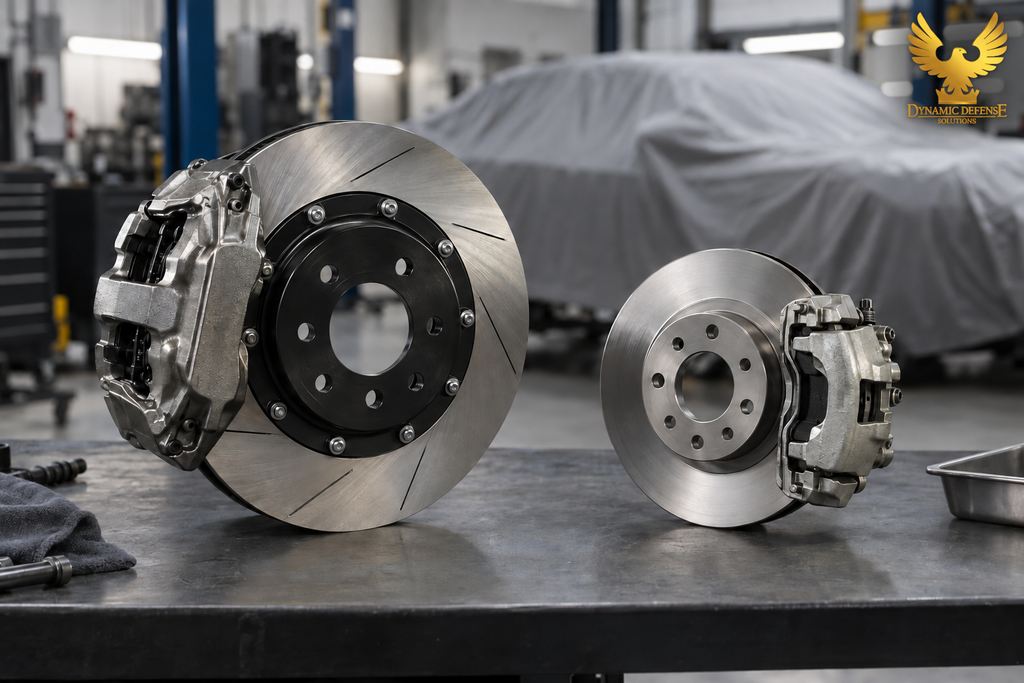
Braking performance should be reviewed as part of the same vehicle-level assessment. A heavier vehicle requires more energy to be managed during repeated stops, so a suspension improvement should not be used to conceal an unresolved brake-capacity issue.
Test the Completed Vehicle, Not Only the Components
Individual suspension parts can be correctly manufactured and still produce an unsatisfactory result if they are not matched to the finished conversion.
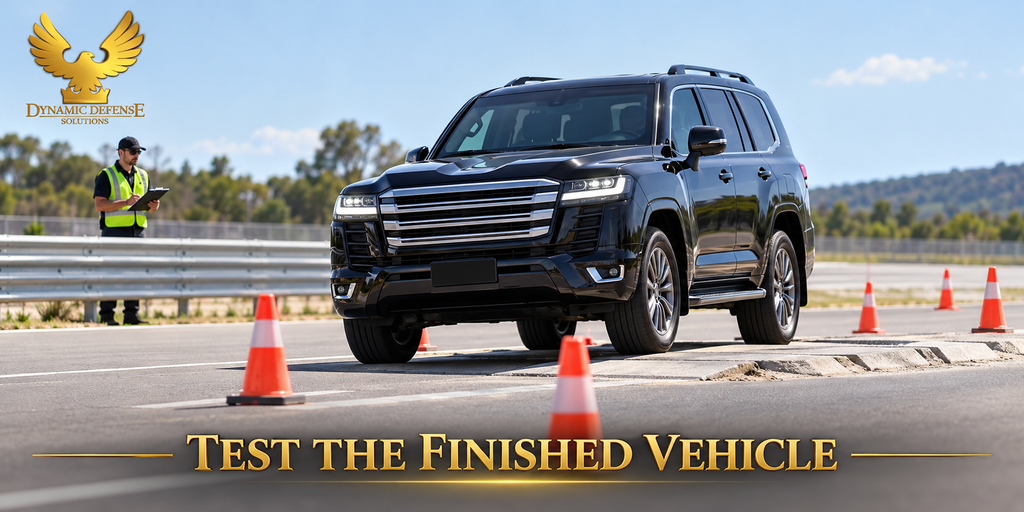
Validation of heavy-duty suspension for armored vehicles should be conducted with the vehicle at a representative operating weight. Where appropriate, testing should include:
- Static ride-height measurement
- Controlled braking
- Low-speed steering and full-lock clearance checks
- Lane changes and directional transitions
- Speed humps and uneven surfaces
- Rough-road or corrugated-surface operation
- Full passenger or operational payload
- Inspection for bottoming, topping-out or tyre contact
- Temperature and leakage inspection after testing
Fasteners should be rechecked after the initial settling period according to the component supplier’s installation instructions. Ride height and alignment should also be recorded so that any later change can be identified.
Drivers and fleet operators can provide valuable feedback, but comments such as “too soft” or “too hard” should be investigated using measurements. The actual cause may be spring rate, damper tuning, tyre pressure, reduced suspension travel or a front-to-rear imbalance.
How DDS Supports Protected-Vehicle Suspension Projects
Dynamic Defense Solutions supplies specialized armored-vehicle components for international projects. DDS works as a component supply and project-support partner for armored-vehicle manufacturers, converters, integrators, security-vehicle companies and qualified workshops.
For heavy-duty suspension for armored vehicles, DDS can review project information such as the base vehicle, finished weight, axle loads, intended duty cycle and wheel-and-tyre configuration before proposing relevant suspension components.
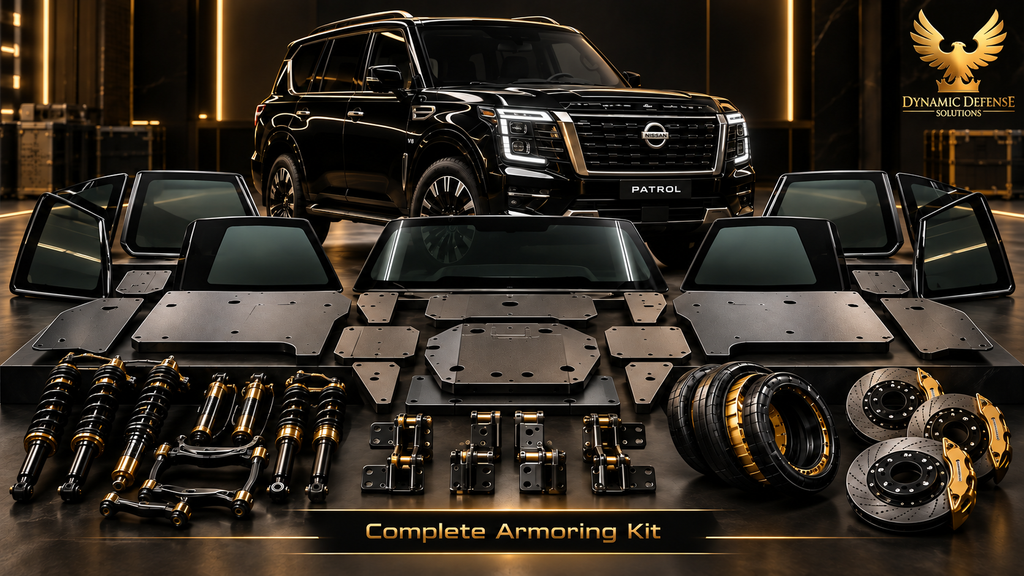
Where the project requires a broader weight-management package, DDS can also support compatible braking solutions, run-flat systems and other related armored-vehicle components. Final suitability remains dependent on correct installation, vehicle-level engineering and validation of the completed conversion.
The most useful enquiry is not simply, “Do you have heavy-duty springs for this model?” A technically useful request should include the real vehicle configuration and the permanent load that the suspension must carry.
Correctly selected heavy-duty suspension for armored vehicles helps restore ride height, preserve usable wheel travel and provide better control of the added protection mass. It should form part of a coordinated vehicle system rather than being selected as an isolated accessory.
Manufacturers, armoring companies, integrators and workshops can contact Dynamic Defense Solutions to discuss suspension requirements for an upcoming protected-vehicle project.
Conclusion
Selecting heavy-duty suspension for armored vehicles is not simply a matter of fitting the stiffest available springs. The correct setup should be based on the completed vehicle’s weight, individual axle loads, suspension travel, wheel-and-tyre configuration and operating conditions. Springs, dampers, alignment, braking and load-rated components must work together to keep the protected vehicle stable and predictable. Dynamic Defense Solutions supports armored-vehicle manufacturers, converters, integrators and workshops with suitable suspension components and related technical project support
Send Us Your Inquiries Today
SIMILAR PRODUCTS
SUCCESSFULL STORIES
LOGISTICS SERVICES
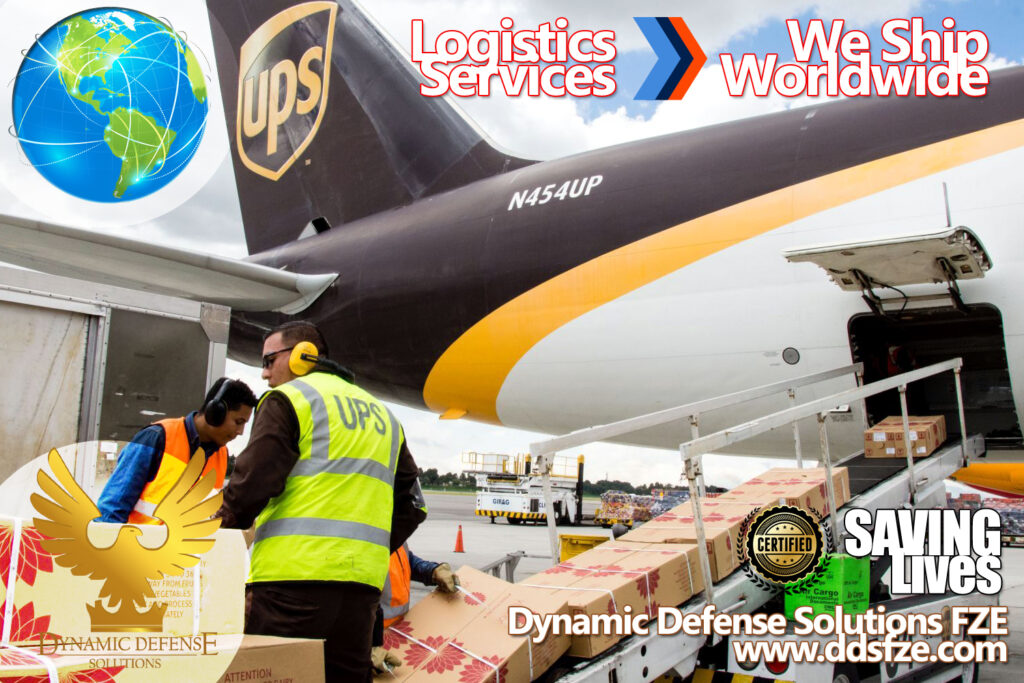
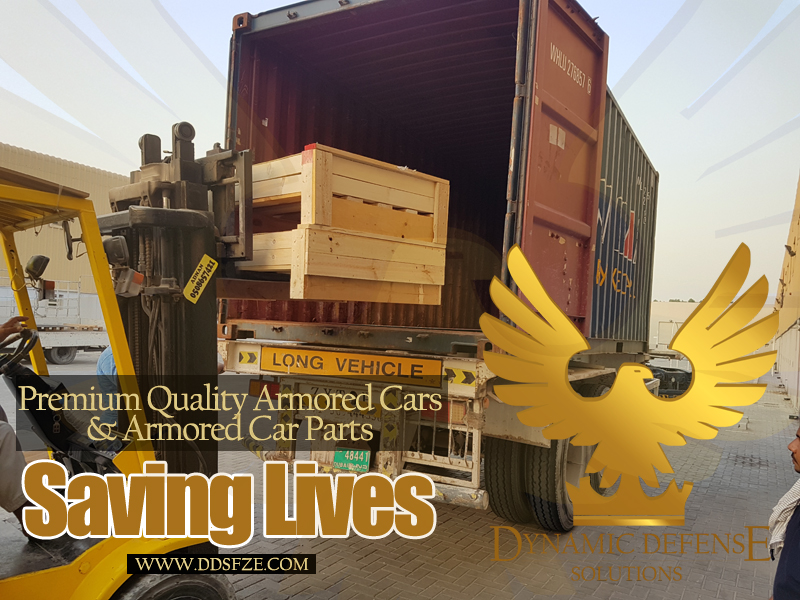
Supply Chain is core of our operational efficiency providing logistics services anywhere in the world for Armored cars and Armored cars parts. To date we have successfully shipped our products to many countries around the Globe. Our supply chain is supported by a dedicated team of highly capable and experienced logistic professionals. Offering freight by air, land or sea within efficient time frame
HAVE SUCCESSFULLY SHIPPED OUR ARMORED CARS PARTS TO MANY COUNTRIES AROUND THE GLOBE



RELATED BLOGS
Armored Vehicle Parts Ukraine: Complete Guide for TLC 76, 78, 79, Hilux & L200
Armored Vehicle Suspension Systems: Why They Matter More Than You Think
Prado 250 Armored Car Parts & Protection Kit