

Armored Vehicle Component Kits vs Individual Components: What Should a Converter Order?
An armoring company can procure parts in two main ways: order a coordinated package for a specific vehicle or purchase each component separately from different suppliers. Neither method is automatically right for every project. The better option depends on the converter’s engineering capability, production volume, vehicle data, existing supplier network and responsibility for integration.
Properly specified Armored Vehicle Component Kits can reduce purchasing complexity and help multiple components arrive in a coordinated package. However, a kit should never be treated as a universal collection of parts that will fit every vehicle carrying the same model name.
Before placing an order, the buyer and supplier must establish exactly what the package includes, what information has been verified and which installation or engineering responsibilities remain with the converter.
Define the Project First
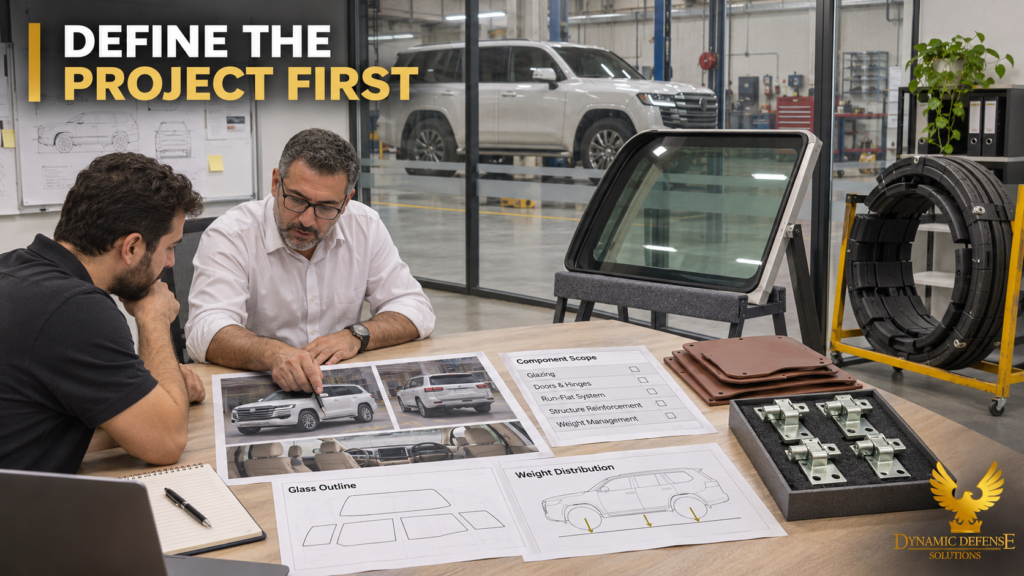
Before ordering an armored vehicle component kit, clearly define the vehicle make, model, production year, body variant, required protection level and complete project scope. Specify whether the order requires ballistic glass, pre-cut armor steel, heavy-duty hinges, run-flat systems, suspension upgrades, brake components or a complete package. The required ballistic protection should also be linked to a recognized testing standard, such as NIJ Standard 0108.01. If the project follows EN 1063, VPAM or another standard, the exact protection level and test requirements must be confirmed before production. A clearly defined project allows the supplier to verify component compatibility, expected weight, technical specifications and production requirements before the order is finalized.
What Are Armored Vehicle Component Kits?
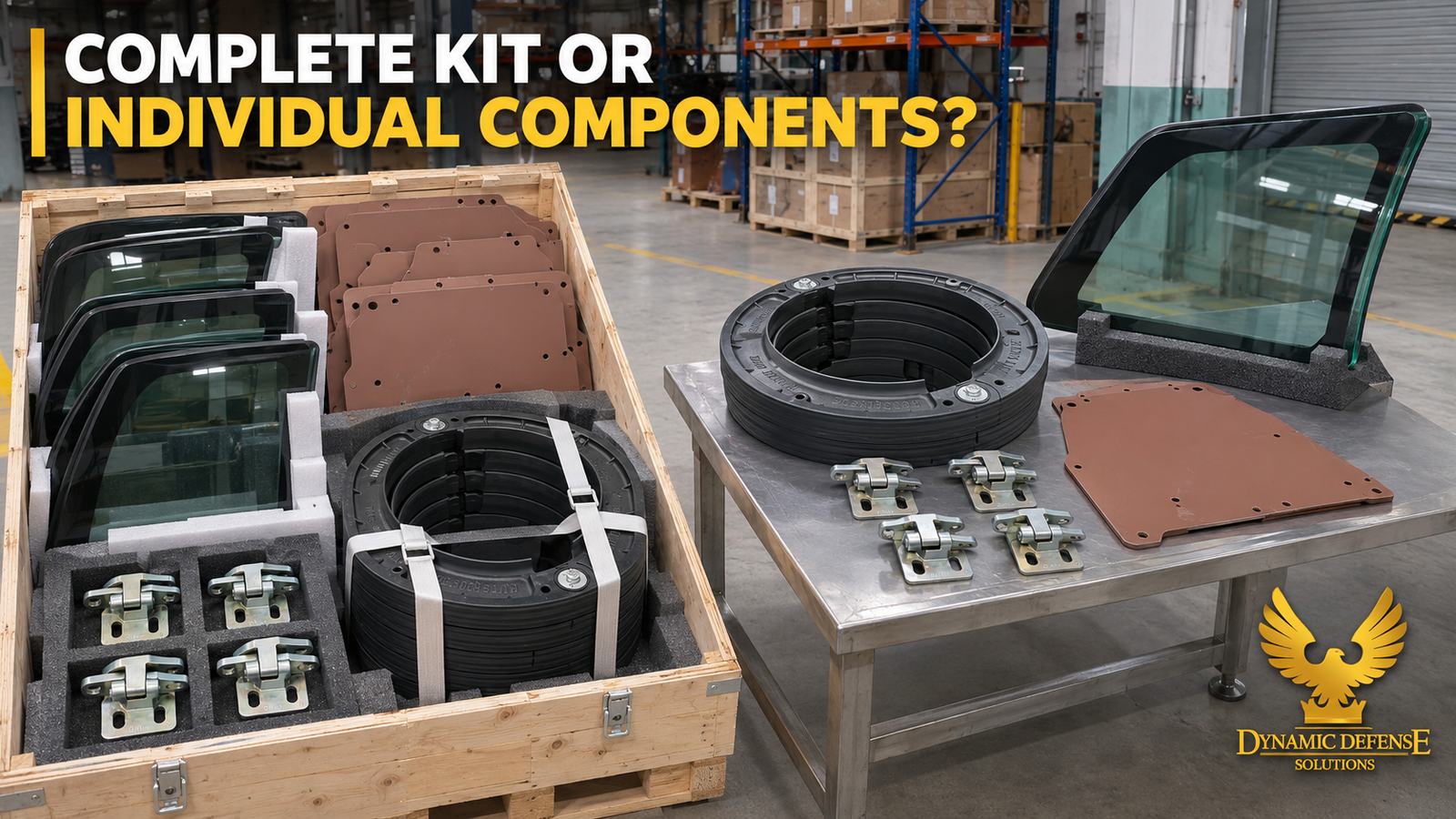
Armored Vehicle Component Kits are coordinated sets of specialized parts prepared for a defined vehicle model, production year, body style, protection requirement and conversion approach.
Depending on the project, a kit may include:
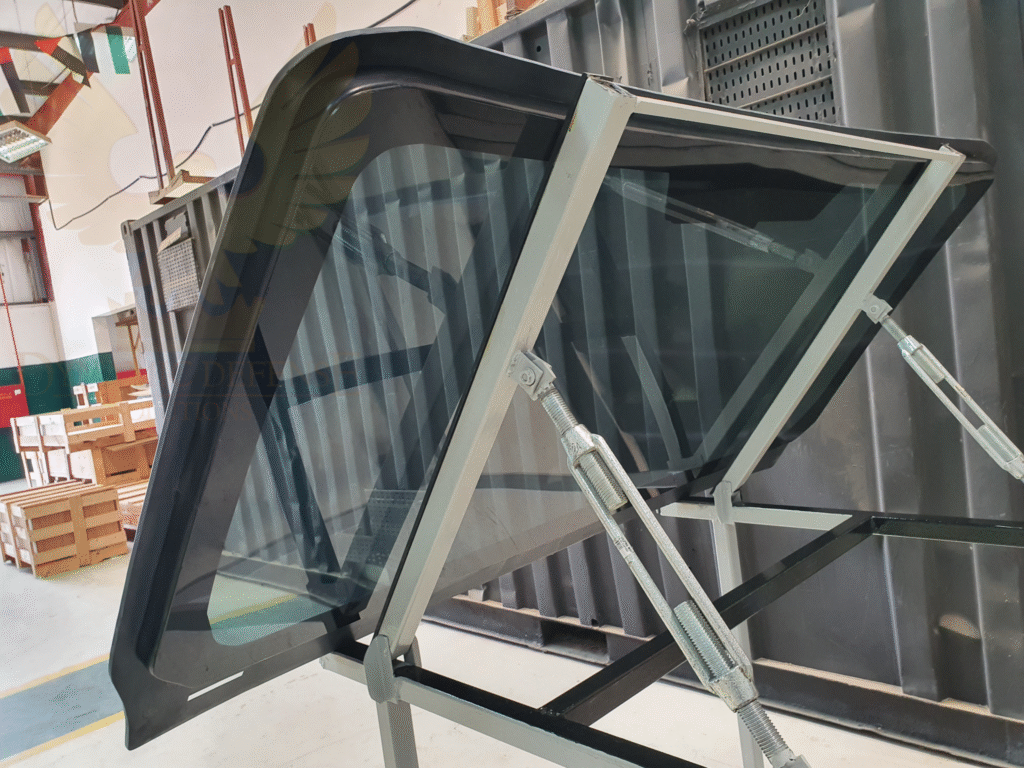
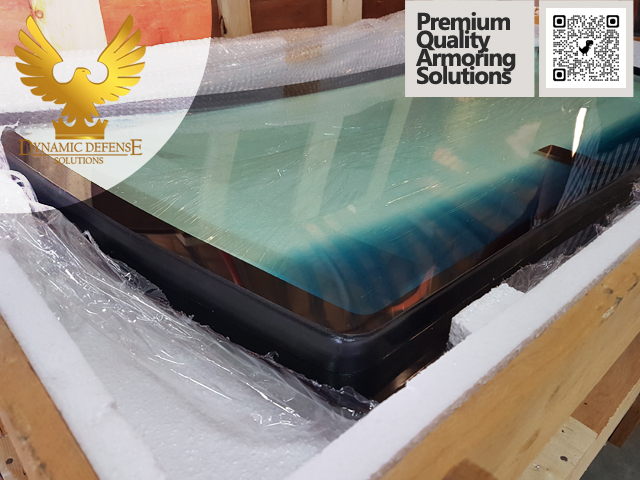
- Vehicle-specific ballistic glass
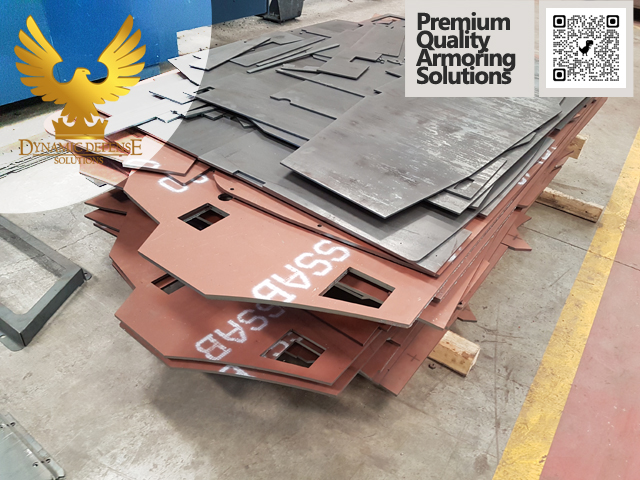
- Cut or uncut ballistic steel
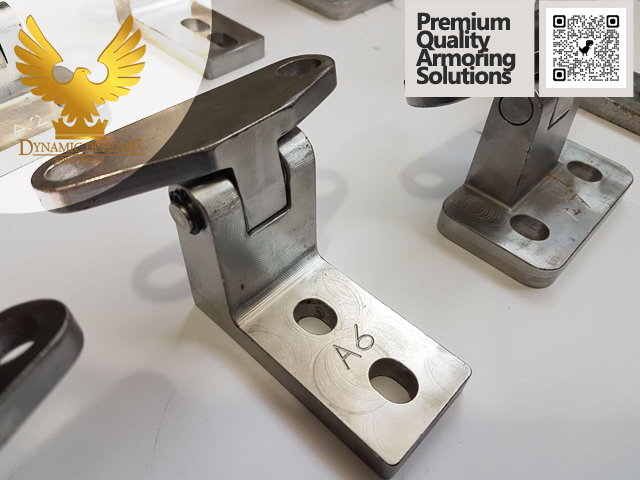
- Heavy-duty machined door hinges
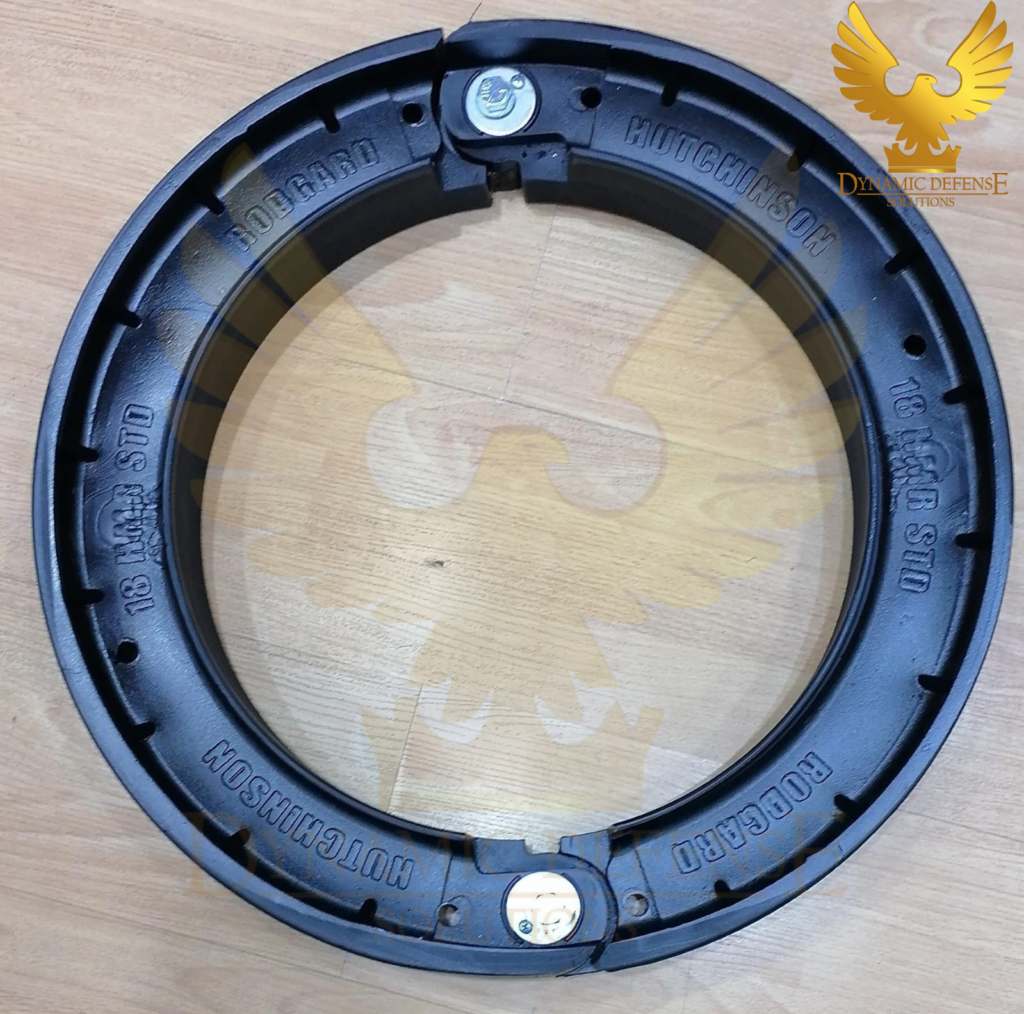
- Run-flat systems
- Window actuators
- Suspension components
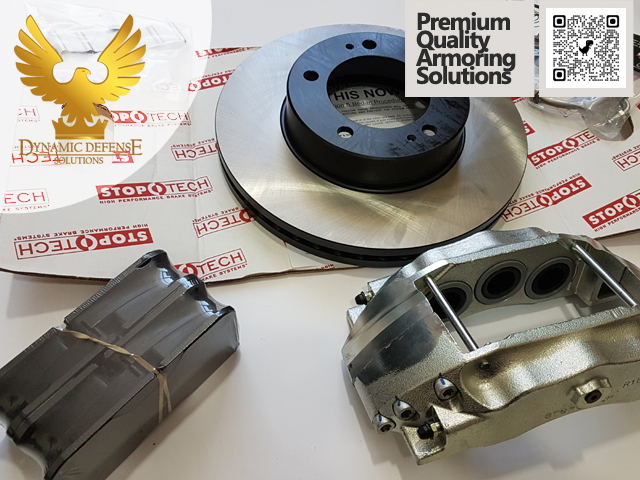
- Braking-system upgrades
- Mounting or supporting hardware
- Identification drawings and packing lists
The word “kit” does not always mean a complete ready-to-install armoring package. One supplier may define a kit as glass and steel only, while another may include mechanical upgrades and installation hardware.
For this reason, the quotation and purchase order should list every included component. Phrases such as “complete kit” are not sufficiently precise unless the scope is documented.
Advantages of Ordering a Coordinated Component Kit
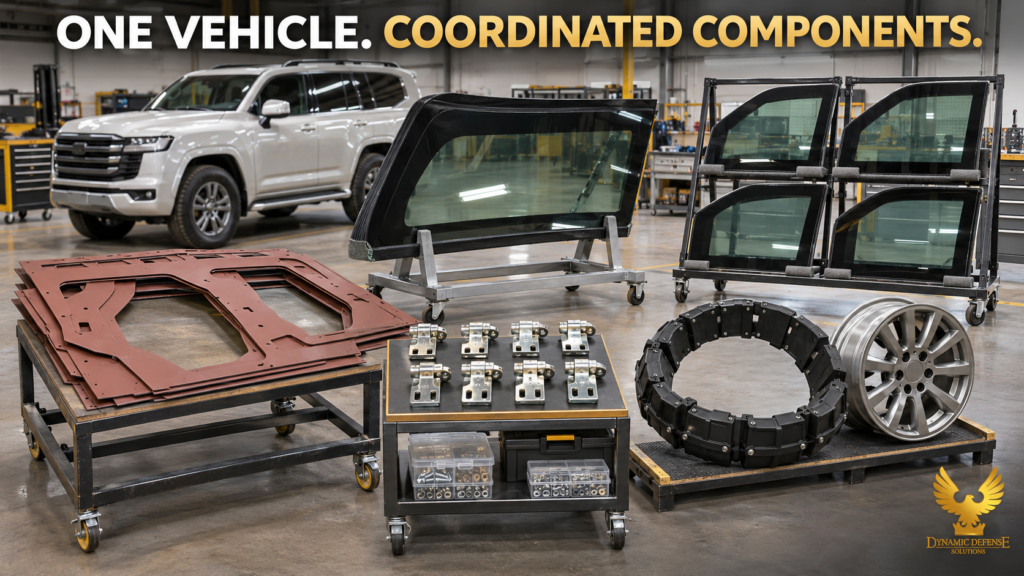
The primary advantage of Armored Vehicle Component Kits is coordination. Components can be selected around the same vehicle configuration, expected added mass and intended conversion method.
A coordinated package can also reduce the number of suppliers, purchase orders, international shipments and technical discussions that a converter must manage. This can be particularly useful for a new vehicle platform or a repeat production programme.
Kit-based procurement may provide:
- One consolidated component list
- Consistent vehicle identification
- Coordinated production scheduling
- Simplified packing and shipping
- Fewer compatibility discussions
- Easier replacement-part identification
- Better control of repeated vehicle builds
However, coordination only works when the supplier receives accurate information. A package based on an incorrect production year, body style or glass configuration can create the same problems as incorrectly ordered individual parts.

When Individual Components Make More Sense
Individual ordering is often the practical choice when the converter already manufactures some parts locally or has established sources for specific products.
For example, a company may cut its own ballistic steel but require vehicle-specific glass, heavy-duty hinges and run-flat systems. Another converter may already have a suitable suspension solution but need a braking upgrade selected for the vehicle’s finished mass.
Individual components may be preferable when:
- The converter produces ballistic structures internally
- Only replacement glass or one damaged component is required
- The project uses a proprietary armoring design
- Different protection specifications apply to different areas
- Local regulations require certain products from approved sources
- The buyer already holds stock of compatible parts
- The vehicle is unusual or heavily customized
Ordering separately gives the converter more control, but it also transfers more interface-management responsibility to its engineering and production teams.

Complete Kits vs Individual Components: The Real Difference
The decision is not simply about the number of parts being purchased. It is about who is responsible for making those parts work together.
With Armored Vehicle Component Kits, the supplier can coordinate component specifications and documentation within the agreed scope. The converter must still validate the vehicle, installation design, mounting structure, overlaps, weight distribution and finished-vehicle performance.
When individual parts are sourced separately, the converter becomes responsible for checking every interface between products from different suppliers.
Examples include:
- Ballistic-glass thickness against the available door cavity
- Glass edge step against the frame and overlap design
- Added door mass against hinge and structure capacity
- Run-flat insert against tyre, rim and wheel-well dimensions
- Suspension capacity against front and rear axle loads
- Brake selection against finished vehicle mass and intended duty cycle
A component can be correctly manufactured and still be unsuitable for a particular conversion if its surrounding interfaces were not verified.
What to Confirm Before Ordering Armored Vehicle Component Kits
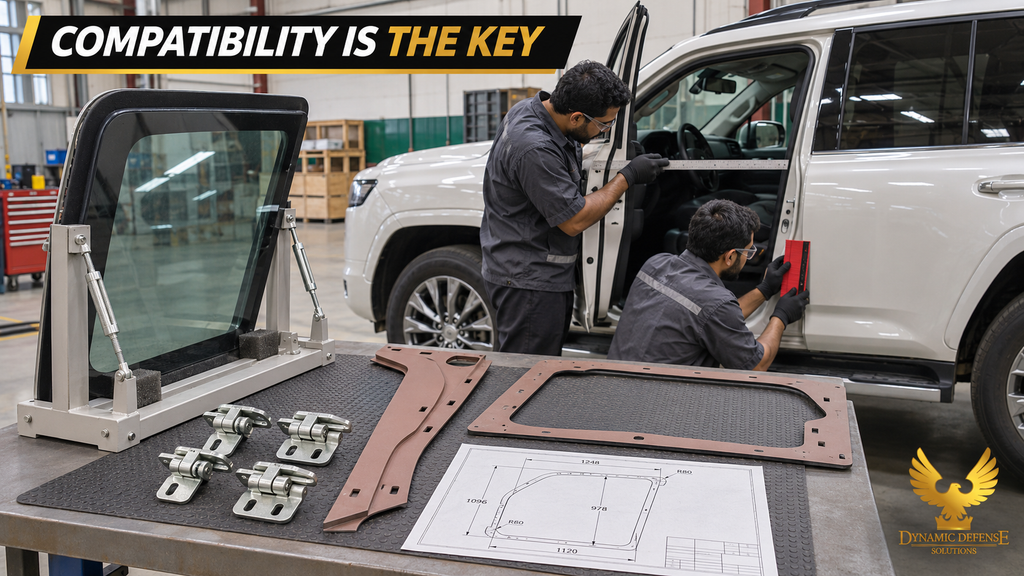
A reliable order starts with vehicle identification. The model name alone is rarely enough, especially where different markets receive different trims, powertrains, glass technologies or body configurations.
Converters should provide:
1. Exact Vehicle Details
Confirm the manufacturer, model, model year, body style, trim, steering position and destination-market specification.
Where available, provide the VIN, vehicle photographs and identification-label details. The supplier may also require pictures of the windshield, door glass, dashboard, mirror area and door interior.
2. Required Component Scope
State clearly whether the requirement is for glass, steel, hinges, run-flats, suspension, brakes or a coordinated combination.
Do not assume that actuators, brackets, seals, fasteners or installation materials are included unless they appear in the quotation.
3. Protection Requirement
Specify the required test standard and threat requirement. Material certification must be separated from complete-vehicle protection.
A ballistic-glass panel or steel sample tested to a particular standard does not, by itself, certify the finished vehicle. Complete-vehicle protection depends on installation, joints, overlaps, structural design and testing of the assembled protection system.
VPAM, for example, publishes separate guidance for specially protected vehicle testing, demonstrating why complete-vehicle evaluation is different from testing an individual plate or transparent panel.
4. Ballistic-Glass Specification
For glass, confirm more than the OEM number. Required information can include:
- Overall dimensions
- Curvature
- Total thickness
- Ceramic-band design
- Edge step and offset
- Hole or bracket locations
- Mirror mounting
- Camera or sensor zones
- Heating connections
- Opening or fixed-door configuration
- Required optical characteristics
Full-size templates, CAD data or verified production samples may be necessary for uncommon vehicles.

5. Weight and Axle Data
The converter should establish the base vehicle’s actual weight and expected added mass before selecting supporting components.
Total vehicle weight alone is insufficient. Front and rear axle loads influence suspension selection, braking balance, tyre loading and handling.
Vehicle regulations can vary by destination market. UNECE’s vehicle-regulation framework is a useful official reference for understanding the broader regulatory environment covering vehicles, systems and components.

6. Run-Flat Compatibility
Run-flat ordering should include the tyre size, rim dimensions, wheel construction and required operating concept.
The insert must be compatible with the actual wheel-and-tyre assembly. A tyre-size description alone may not provide enough information where different rim profiles or wheel designs are used.

7. Door and Window Requirements
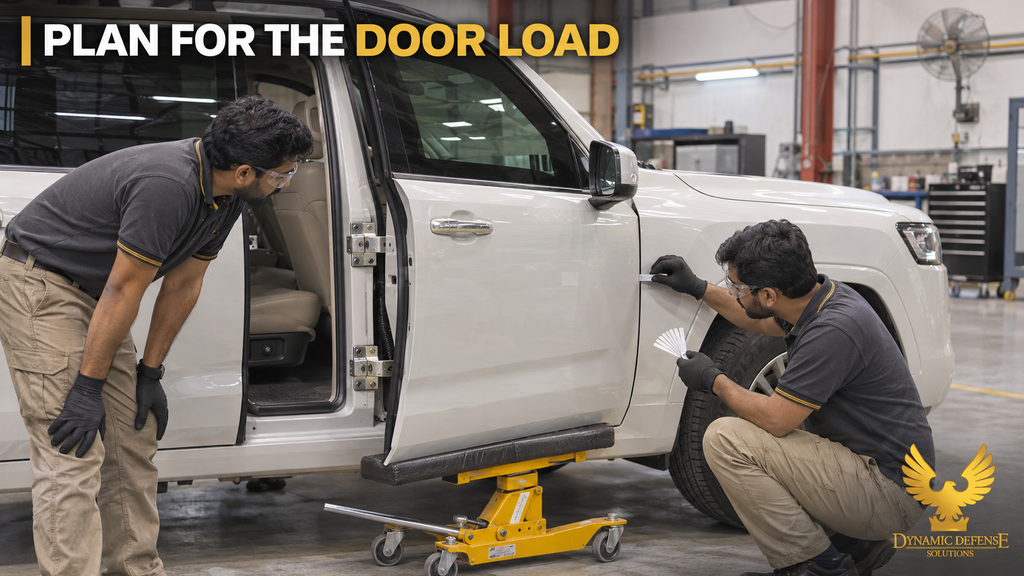
Ballistic glass substantially increases door mass. The converter should evaluate the door shell, pillar reinforcement, hinge mounting and opening geometry.
If operable windows are required, the usable travel, available door space, glass thickness and actuator load must be confirmed before production. A heavy-duty window actuator cannot solve a geometry problem inside an unsuitable door cavity.
8. Suspension and Braking Requirements
Suspension and brake upgrades should be selected from vehicle data rather than general assumptions such as “armored SUV” or “heavy-duty use.”
Important inputs include:
- Base and finished vehicle mass
- Front and rear axle loads
- Added mass distribution
- Wheel and tyre size
- Ride-height target
- Road and operating conditions
- Expected braking duty
- Available wheel clearance
These components support the converted vehicle’s mobility and control; they should not be chosen as isolated accessories.
Documentation, Packing and Replacement Parts
Before confirming Armored Vehicle Component Kits, buyers should agree on the technical and commercial documentation that will accompany the shipment.
Useful documentation may include:
- Detailed packing list
- Component identification
- Material or test documentation where applicable
- Glass drawings or identification references
- Installation notes within the supplier’s scope
- Package dimensions and weights
- Warranty conditions
- Replacement-part identification procedure
Glass and other sensitive components also require suitable export packing. Each item should be identifiable without forcing the workshop to unpack the entire shipment.
For repeat programmes, consistent naming and revision control are important. If a vehicle design changes, the new revision should not be mixed with parts produced for an earlier configuration.

Confirm Responsibility Before Production
The supplier and converter should define who is responsible for vehicle measurement, template approval, structural design, installation, testing and final validation.
A component supplier can manufacture or coordinate products according to verified specifications. The converter remains responsible for integrating those products into its vehicle design unless the contract clearly establishes a different scope.
This distinction protects both parties and reduces misunderstandings during installation.
How Dynamic Defense Solutions Supports Converter Projects
Dynamic Defense Solutions supplies specialized armored-vehicle components for international projects.
Depending on the requirement, DDS can support manufacturers, converters, integrators and workshops with ballistic glass, ballistic steel, heavy-duty machined hinges, run-flat systems, suspension components, braking solutions and related parts.
DDS can supply individual products or coordinate Armored Vehicle Component Kits where the vehicle data, component scope and technical requirements have been properly established.
The objective is not to place unrelated products into one shipment. It is to help the buyer procure components that correspond with the verified vehicle and the converter’s actual production plan.
Conclusion: Select the Procurement Method Around the Project
Armored Vehicle Component Kits can simplify procurement, documentation and logistics, particularly for repeat builds or converters entering a new vehicle platform. Individual components can provide greater flexibility where the converter already manufactures part of the protection system or follows its own established design.
In both cases, successful procurement depends on accurate vehicle identification, clearly defined component scope, verified interfaces, weight data and documented responsibilities.
Manufacturers, armoring companies, workshops, integrators and other B2B buyers can contact Dynamic Defense Solutions to discuss component requirements for their current or upcoming protected-vehicle projects.

Send Us Your Inquiries Today
SIMILAR PRODUCTS
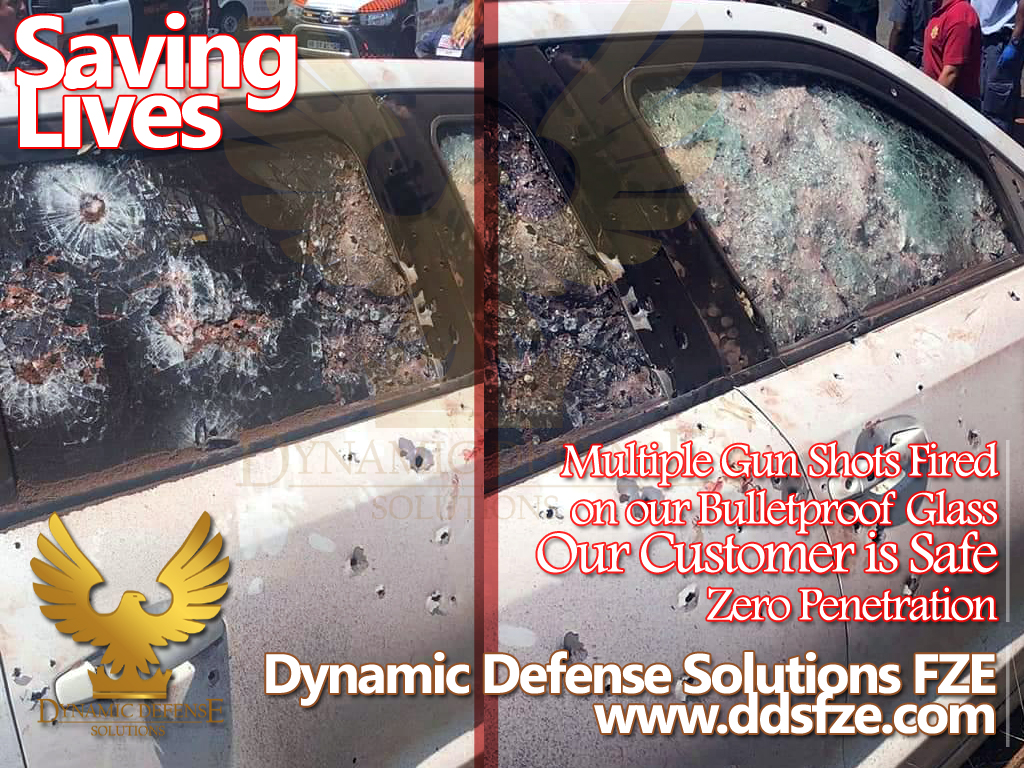
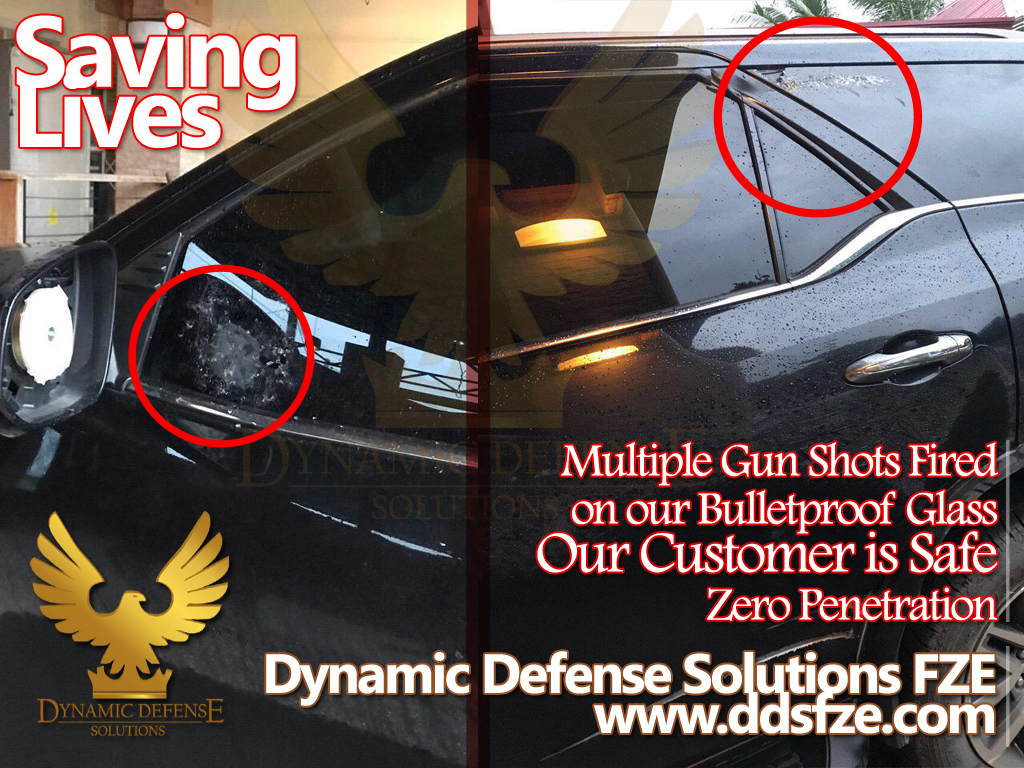
SUCCESSFULL STORIES
LOGISTICS SERVICES
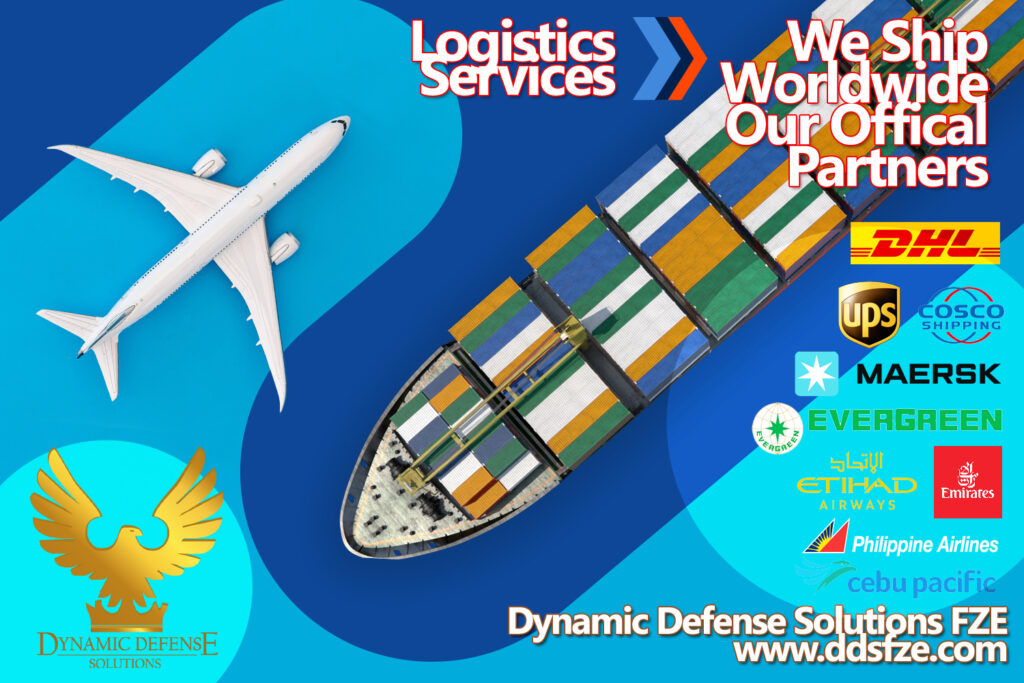
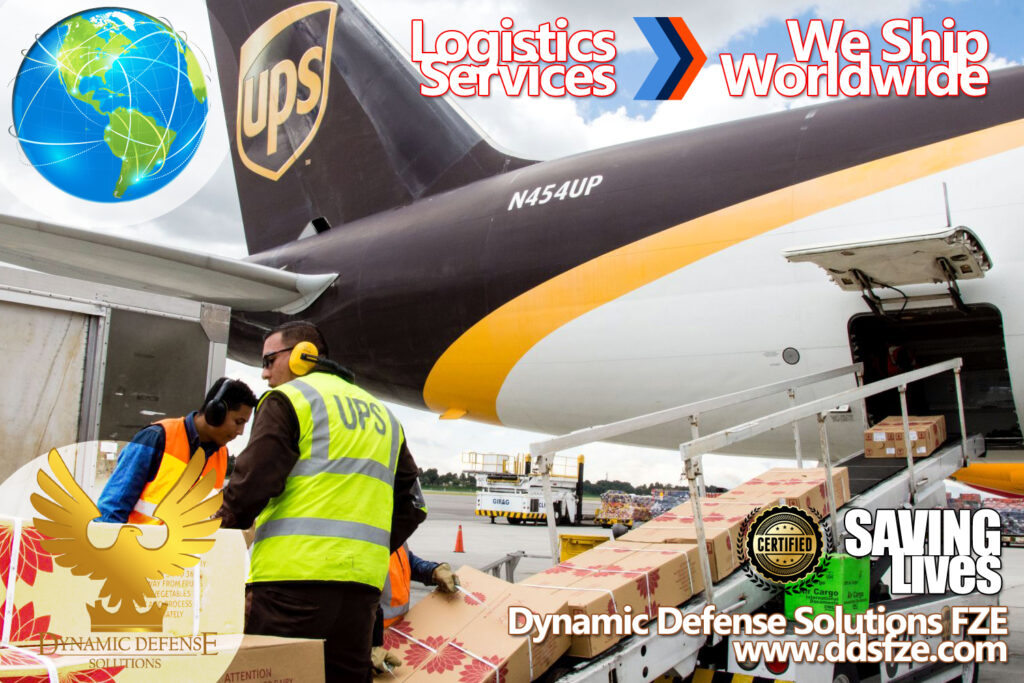
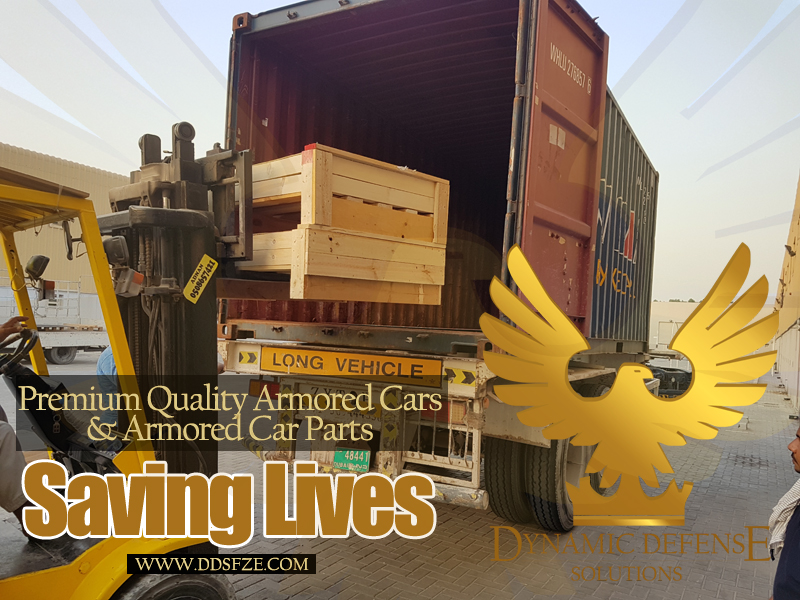
Supply Chain is core of our operational efficiency providing logistics services anywhere in the world for Armored cars and Armored cars parts. To date we have successfully shipped our products to many countries around the Globe. Our supply chain is supported by a dedicated team of highly capable and experienced logistic professionals. Offering freight by air, land or sea within efficient time frame
HAVE SUCCESSFULLY SHIPPED OUR ARMORED CARS PARTS TO MANY COUNTRIES AROUND THE GLOBE

RELATED BLOGS
Armored Vehicle Parts Ukraine: Complete Guide for TLC 76, 78, 79, Hilux & L200
Armored Vehicle Suspension Systems: Why They Matter More Than You Think
Prado 250 Armored Car Parts & Protection Kit