

Replacement Ballistic Glass for Armored Vehicles: The Measurements That Prevent Fitment Problems
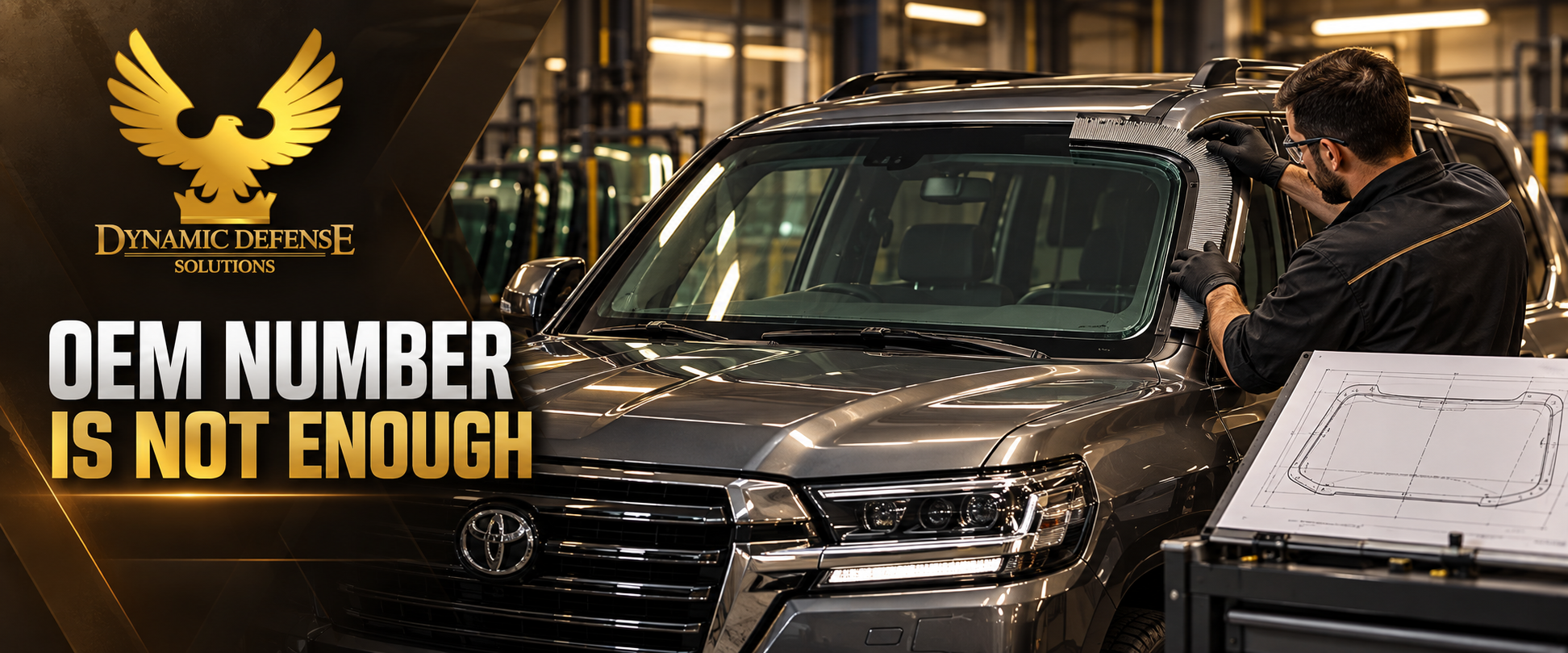
A customer needs a replacement windshield for an armored Toyota Land Cruiser. They provide the vehicle model, production year and OEM glass number. That information is useful—but it may not be enough to manufacture the correct ballistic replacement.
The original OEM number normally identifies the standard automotive glass and its base vehicle application. It does not necessarily describe the ballistic-glass construction installed during a previous armoring project.
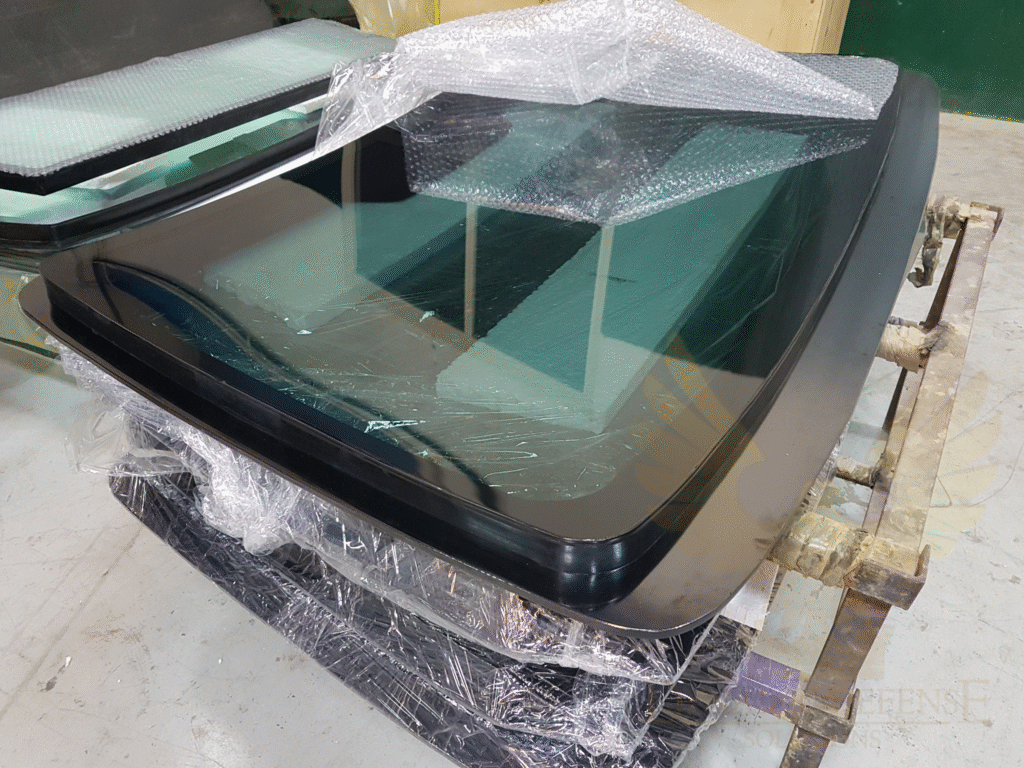
Glass thickness, curvature, edge geometry, black ceramic band, ballistic overlap and the way the original armoring company modified the frame can all vary. This makes replacement ballistic glass for armored vehicles a measurement-led product, especially when the supplier did not manufacture the original protected glass.
Why Replacement Ballistic Glass for Armored Vehicles Is Not a Standard Spare Part
Standard automotive glass is normally produced around a controlled vehicle specification. Ballistic glass is integrated into a conversion that may have been designed by a different armoring company using its own glass construction, frame modifications and overlap system.
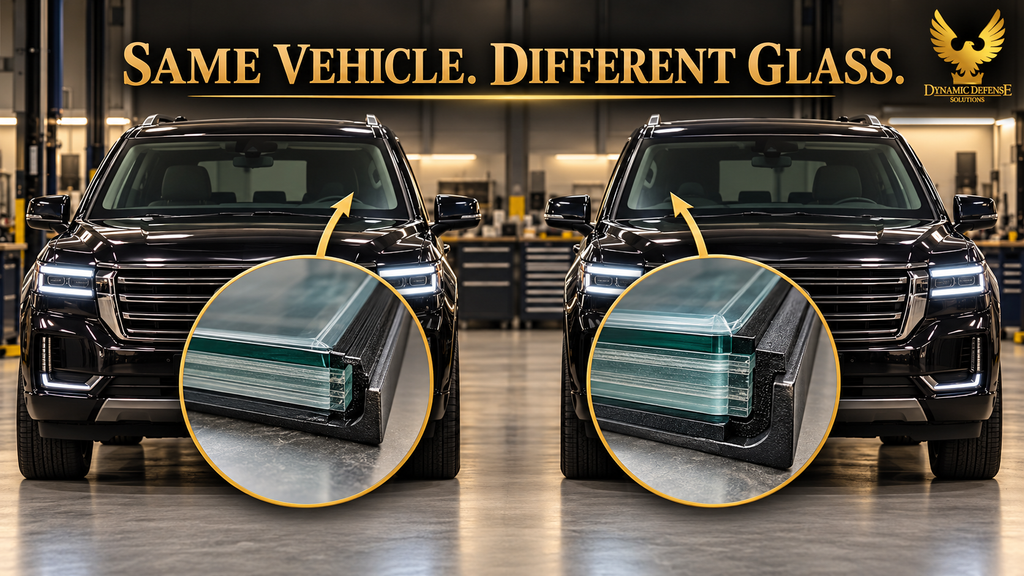
Two visually similar armored vehicles may therefore use different ballistic windshields even when they share the same base model and year.
One vehicle may have a relatively narrow internal overlap. Another may use a deeper step around the perimeter. One armorer may retain more of the OEM aperture, while another may modify the frame to accommodate thicker glass.
The protection requirement can change the total laminate thickness as well. However, thickness should never be assumed from a protection-level label alone. Different transparent-armor constructions may achieve their tested performance using different combinations of glass, polymer layers and internal anti-spall materials.
A correct replacement must suit both the required ballistic construction and the existing vehicle aperture.
The Edge Step or Offset Must Be Measured Separately
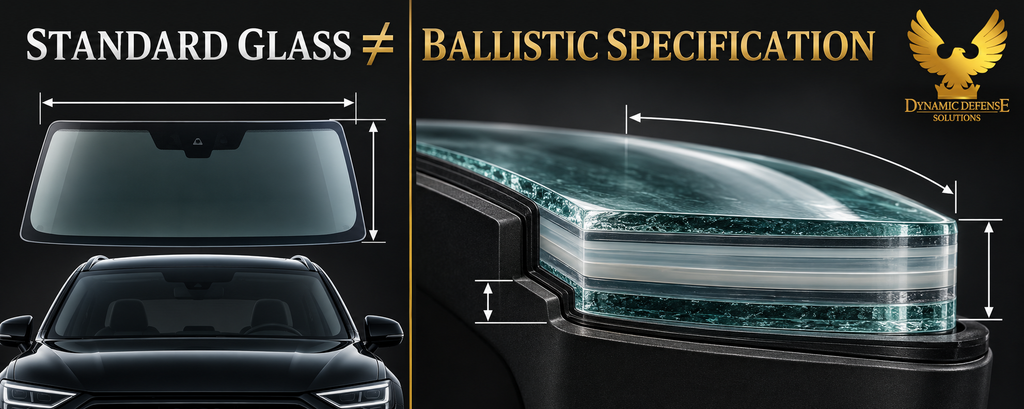
The perimeter step—sometimes described as an offset, rebate or reduced-thickness edge—is one of the most important details in a ballistic-glass replacement.
The central viewing area may have the full ballistic laminate thickness, while the edge is configured differently to fit the frame and interact with the surrounding armor. The required step can vary in:
- Width
- Depth
- Position around the perimeter
- Shape at corners
- Distance from the visible ceramic band
- Relationship to the vehicle’s ballistic overlap
A glass panel may have the correct outer dimensions and still fail to install correctly if its edge step is wrong.
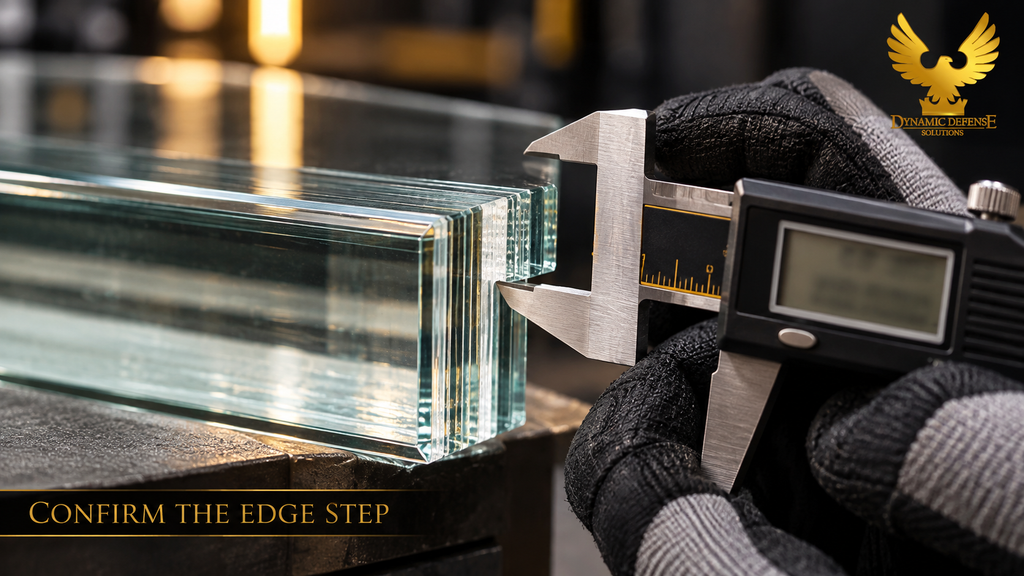
The technical drawing should show where the step begins, how far it extends and the remaining thickness at that area. If the step changes along different sides of the glass, each section should be identified separately.
A scale or ruler placed on top of the glass is usually not sufficient for confirming complex edge geometry. Cross-sectional measurements or a clear profile drawing are more reliable.
Curvature Must Match the Existing Aperture
Ballistic windshields are thick laminated structures. They cannot be forced into position in the same way that a flexible trim component might be adjusted.
If the curvature does not match the frame, the installer may face uneven gaps, excessive adhesive thickness or concentrated stress around part of the perimeter. Attempting to pull an incorrect glass shape into the opening can create installation risk and may compromise long-term serviceability.
For replacement ballistic glass for armored vehicles, the safest reference is often one of the following:
- The original supplier’s approved production drawing
- An undamaged glass sample removed from an identical vehicle
- A verified physical template or scan of the existing opening
- A sufficiently detailed measurement package approved by both supplier and installer
Photographs remain valuable, but they should support dimensional information rather than replace it.
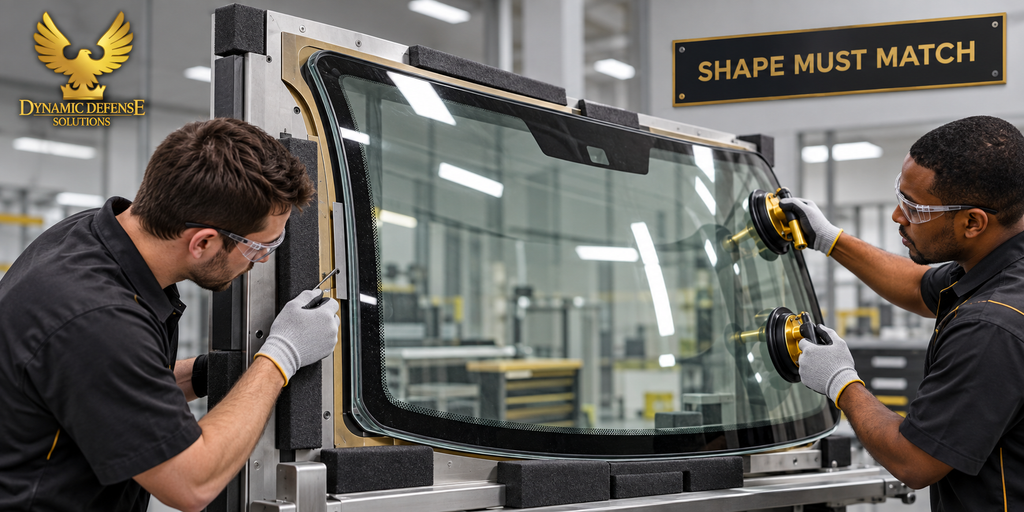
Ceramic Band and Visible Area
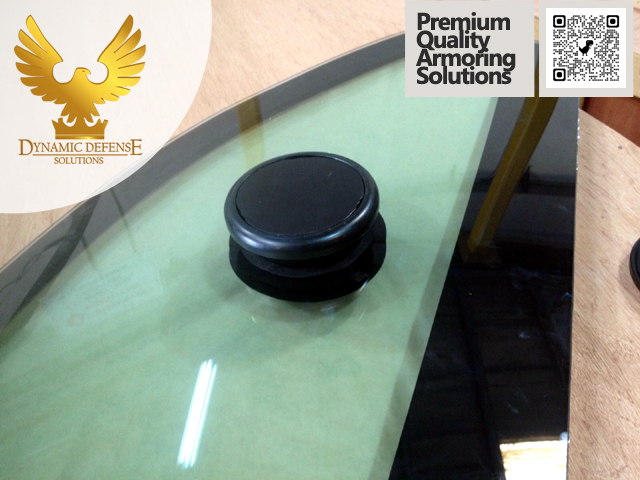
The black ceramic band around automotive glass is not just a decorative border. Its dimensions and position influence the finished appearance, the concealed bonding area and the driver’s visible field.
If a replacement windshield is supplied with a ceramic band that is too wide, the visible area may be unnecessarily reduced. If it is too narrow or incorrectly positioned, adhesive or internal frame details may remain visible.
The drawing should specify:
- External glass dimensions
- Ceramic-band outer and inner boundaries
- Clear viewing area
- Mirror or camera cut-outs
- Any required logo, marking or identification position
The ceramic design should be checked against the actual converted vehicle—not copied automatically from standard OEM glass when the armored frame has been modified.
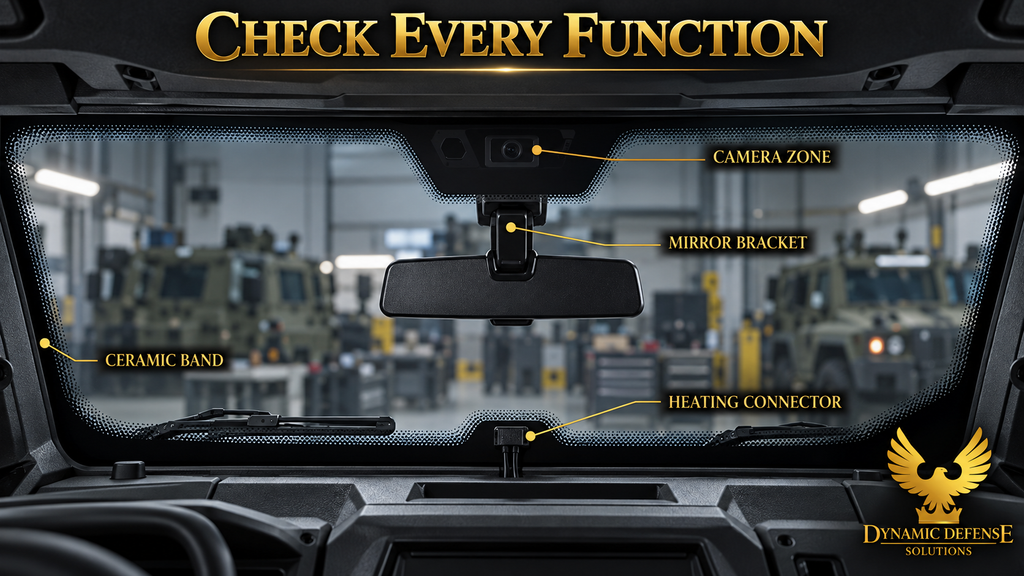
Heating, Cameras, Antennas and Sensors
Modern automotive glass may contain far more than transparent material. Heating elements, antennas, rain sensors, cameras, head-up-display areas and other functions can be incorporated into the windshield.
Automotive-glass manufacturers currently offer windshields with heating, antennas and sensor integration, showing why these features must be identified during the specification stage.
Before manufacturing replacement ballistic glass for armored vehicles, the buyer should confirm:
- Whether heating is required
- The location and type of electrical connectors
- Connector orientation and cable length
- Camera or sensor opening dimensions
- Bracket type and position
- Mirror mounting arrangement
- Antenna requirements
- Any areas that must remain optically clear
A photograph of the full windshield and detailed photographs of each connection can prevent misunderstandings. Electrical functions should also be verified during installation rather than assumed operational based only on physical fitment.
Protection Level and Certification Must Be Described Correctly
The required ballistic standard and protection class must be stated clearly when requesting a replacement. Ammunition type, projectile construction, velocity and test conditions vary between standards and protection classes.
EN 1063, for example, addresses the testing and classification of security glazing against bullet attack. Other projects may specify different standards depending on the vehicle, customer and market.
A supplier should not conclude that a complete vehicle achieves a particular protection level merely because the glass construction has been tested to that level. A glass test report concerns the tested transparent-armor sample and its defined configuration.
The complete vehicle’s protection also depends on installation, frame reinforcement, overlap design, joints and the surrounding opaque armor. Component certification and complete-vehicle protection are related—but they are not the same claim.
When purchasing replacement ballistic glass for armored vehicles, request the applicable test documentation and ensure that the supplied construction corresponds to the documented configuration.
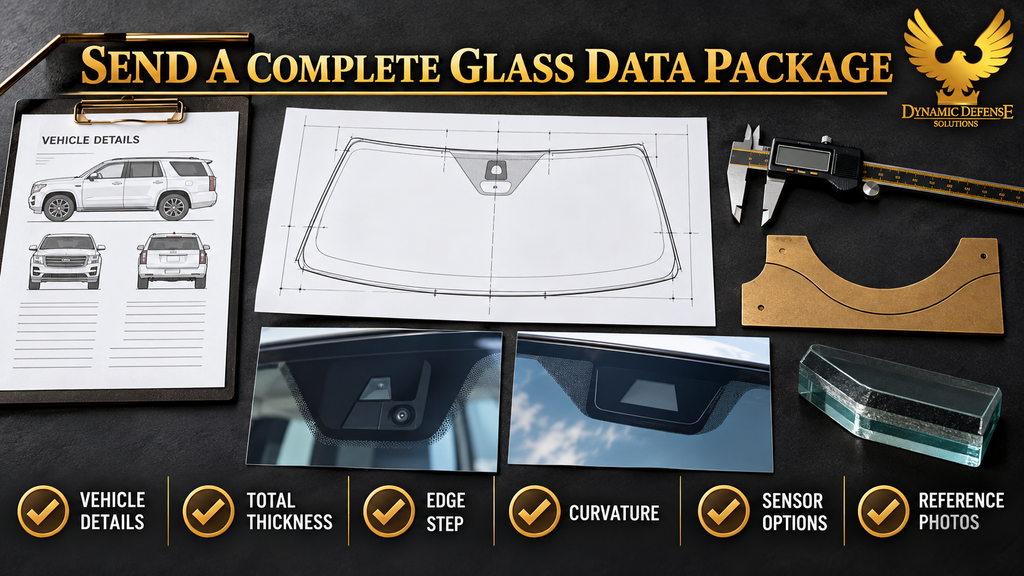
What to Send the Supplier Before Requesting a Final Quotation
A serious quotation should be based on a controlled information package. Ideally, the buyer should provide:
- Vehicle make, model, year and body style
- VIN or chassis details where relevant
- OEM glass number
- Windshield, door or rear-glass position
- Left-hand or right-hand side
- Required protection standard and class
- Existing glass’s total thickness
- Maximum length and width
- Detailed perimeter dimensions
- Curvature data or physical sample
- Edge-step width and depth
- Ceramic-band dimensions
- Heating, antenna and sensor requirements
- Photographs of the installed and removed glass
- Quantity required
- Delivery destination
If the existing glass is damaged but remains dimensionally stable, it may still be useful as a production reference. The supplier should confirm whether the sample is suitable before shipment.
For repeat orders, both parties should approve and retain a controlled drawing with a revision number. This reduces reliance on chat messages, photographs and informal measurements during future production.
Installation Should Be Planned Before Production
The replacement process does not begin when the glass arrives. The installer should review the aperture, frame condition, bonding area and removal method before the order is finalized.
Removing thick ballistic glass may reveal corrosion, damaged reinforcement, excessive previous adhesive or deformation around the opening. Those conditions should be corrected rather than hidden behind the new panel.
The handling plan also matters. Ballistic glass is heavy and should be moved using suitable lifting equipment and trained personnel. Dry-fitting, edge-clearance checks and controlled adhesive application can help identify issues before final bonding.
Correctly specified replacement ballistic glass for armored vehicles reduces site modification, but proper installation remains essential to the performance of the completed transparent-armor system.
How Dynamic Defense Solutions Supports Replacement Projects
Dynamic Defense Solutions supplies specialized armored-vehicle components for international projects, including custom ballistic glass for manufacturers, armoring companies, security-vehicle operators and specialist workshops.
For replacement ballistic glass for armored vehicles, DDS can review the base-vehicle information, existing glass measurements, protection requirement and functional options before production. Where the original drawing is unavailable, the project may require a physical sample, verified template or additional measurement work.
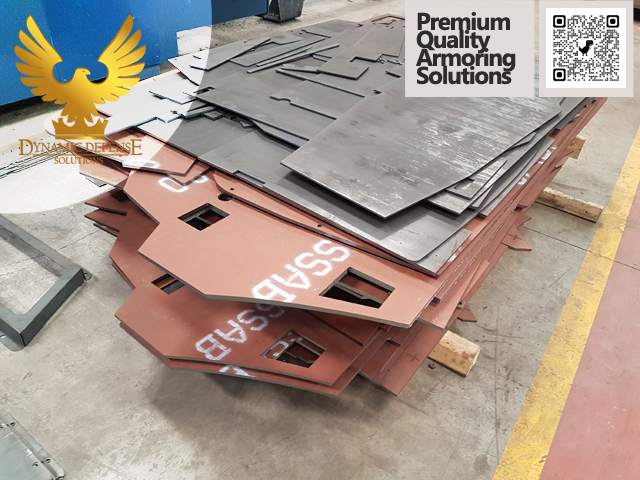
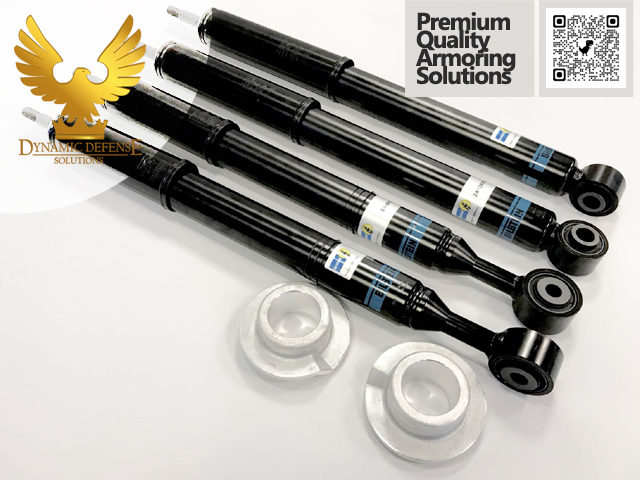
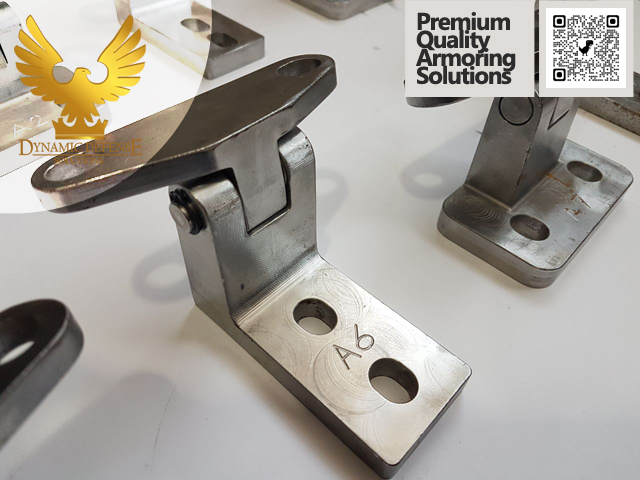
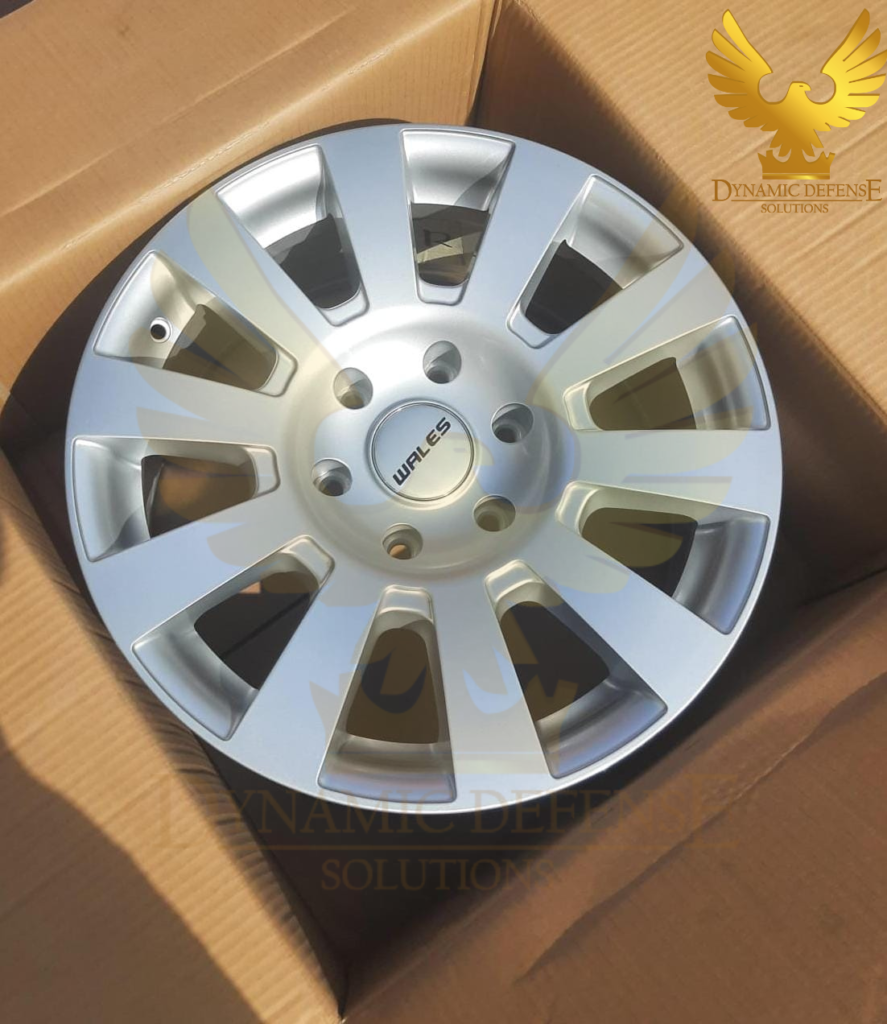
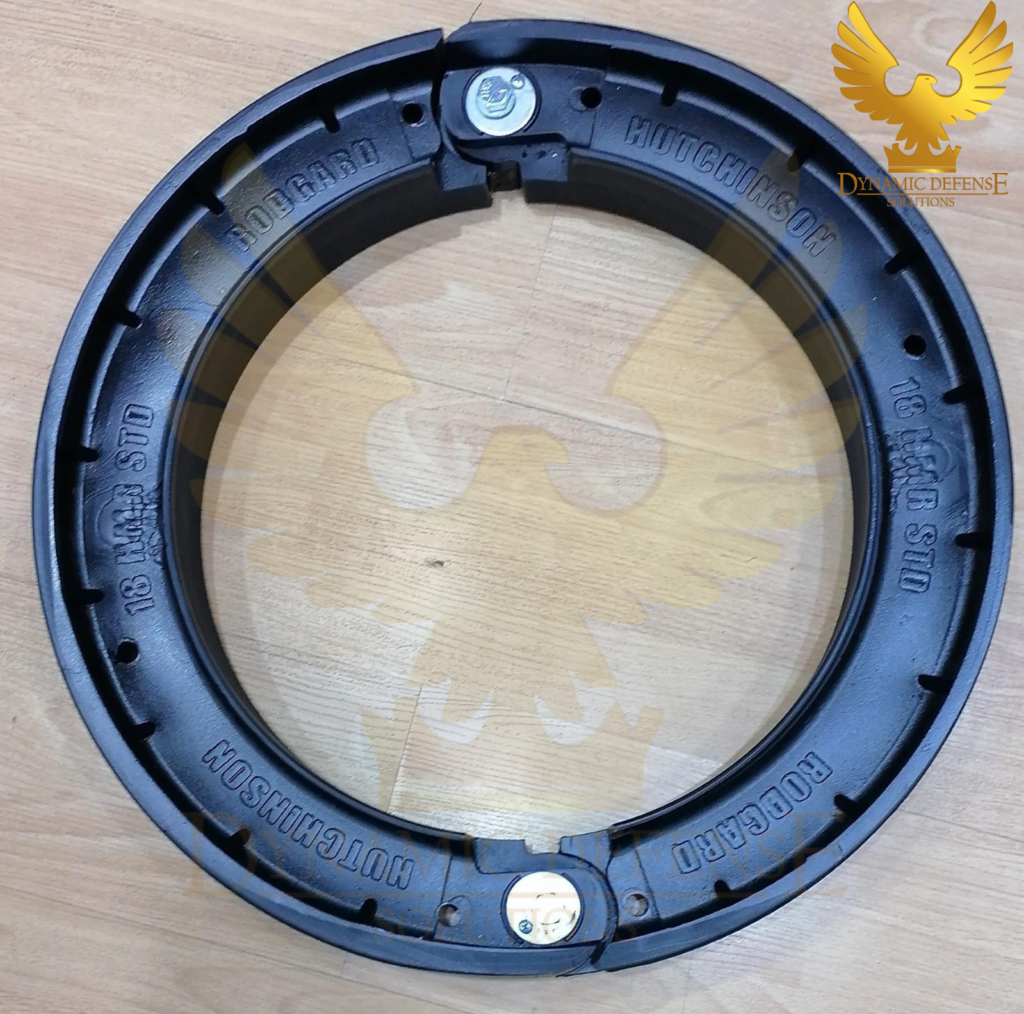
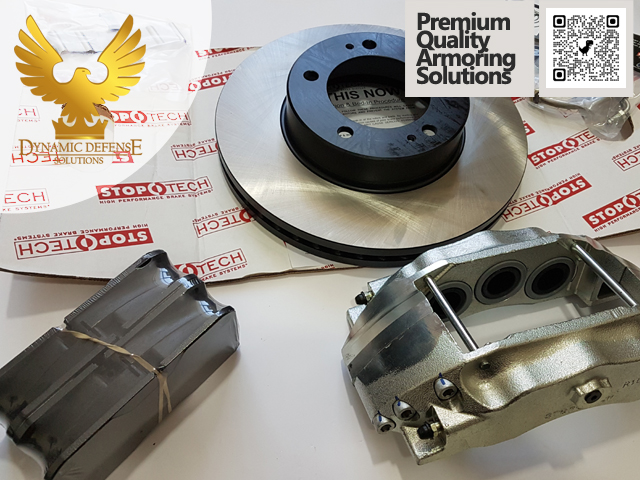
DDS is a component supply and project-support partner rather than primarily a vehicle-armoring bodyshop. Depending on the requirement, DDS can also support projects with ballistic steel, heavy-duty hinges, run-flat systems, suspension, braking solutions and related armored-vehicle components.
Conclusion
The correct ballistic-glass replacement cannot always be identified from the vehicle name and OEM number alone.
Thickness, curvature, overall dimensions, edge step, ceramic band, sensor areas and the existing armored frame must work together. Confirming these details before manufacturing is usually faster and less costly than modifying an incorrect panel during installation.
If you require replacement ballistic glass for armored vehicles, contact Dynamic Defense Solutions with your vehicle information, protection requirement, photographs and available measurements. Our team can review the project and advise what additional information is needed before quotation and production.
Send Us Your Inquiries Today
SIMILAR PRODUCTS
SUCCESSFULL STORIES
LOGISTICS SERVICES
Supply Chain is core of our operational efficiency providing logistics services anywhere in the world for Armored cars and Armored cars parts. To date we have successfully shipped our products to many countries around the Globe. Our supply chain is supported by a dedicated team of highly capable and experienced logistic professionals. Offering freight by air, land or sea within efficient time frame
HAVE SUCCESSFULLY SHIPPED OUR ARMORED CARS PARTS TO MANY COUNTRIES AROUND THE GLOBE





RELATED BLOGS
Armored Vehicle Parts Ukraine: Complete Guide for TLC 76, 78, 79, Hilux & L200
Armored Vehicle Suspension Systems: Why They Matter More Than You Think
Prado 250 Armored Car Parts & Protection Kit